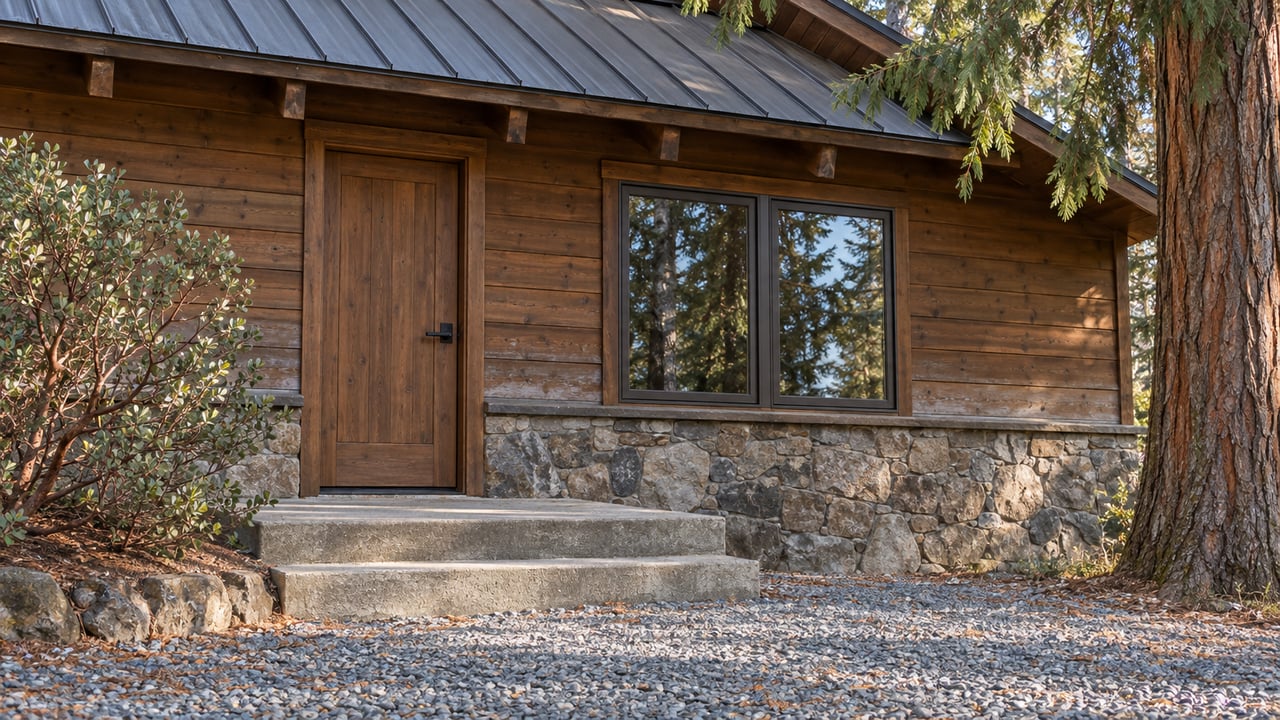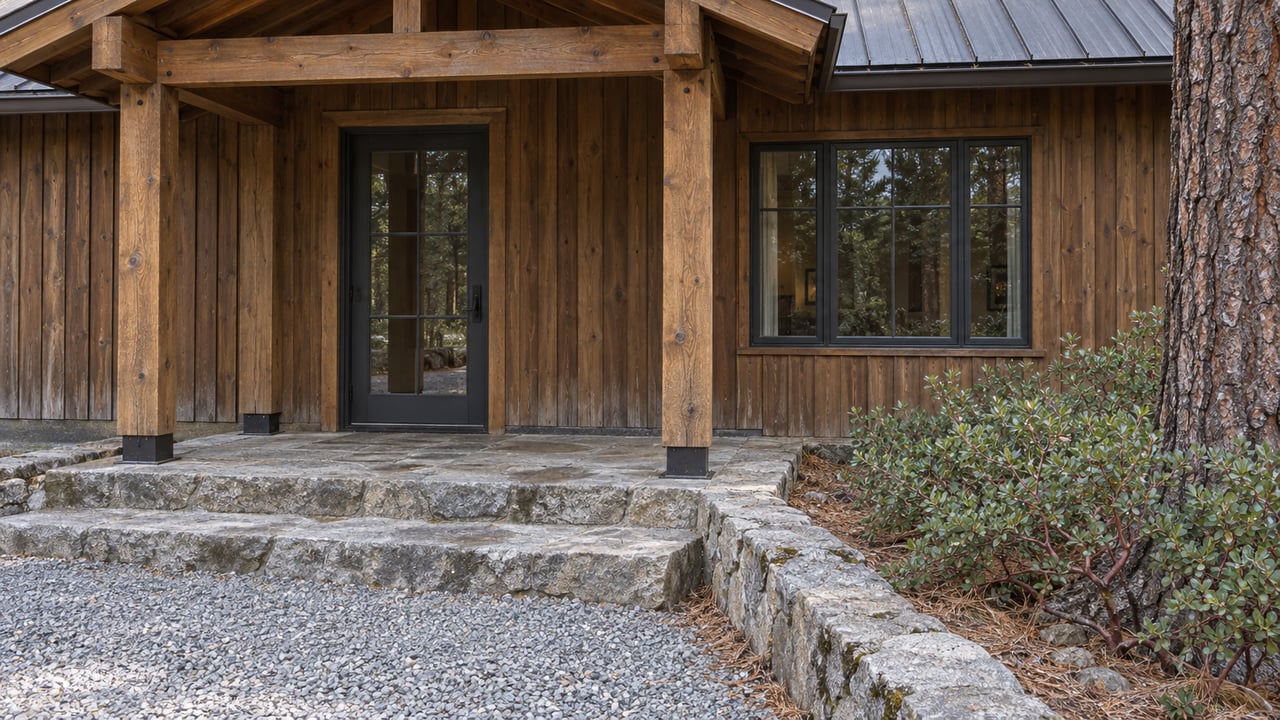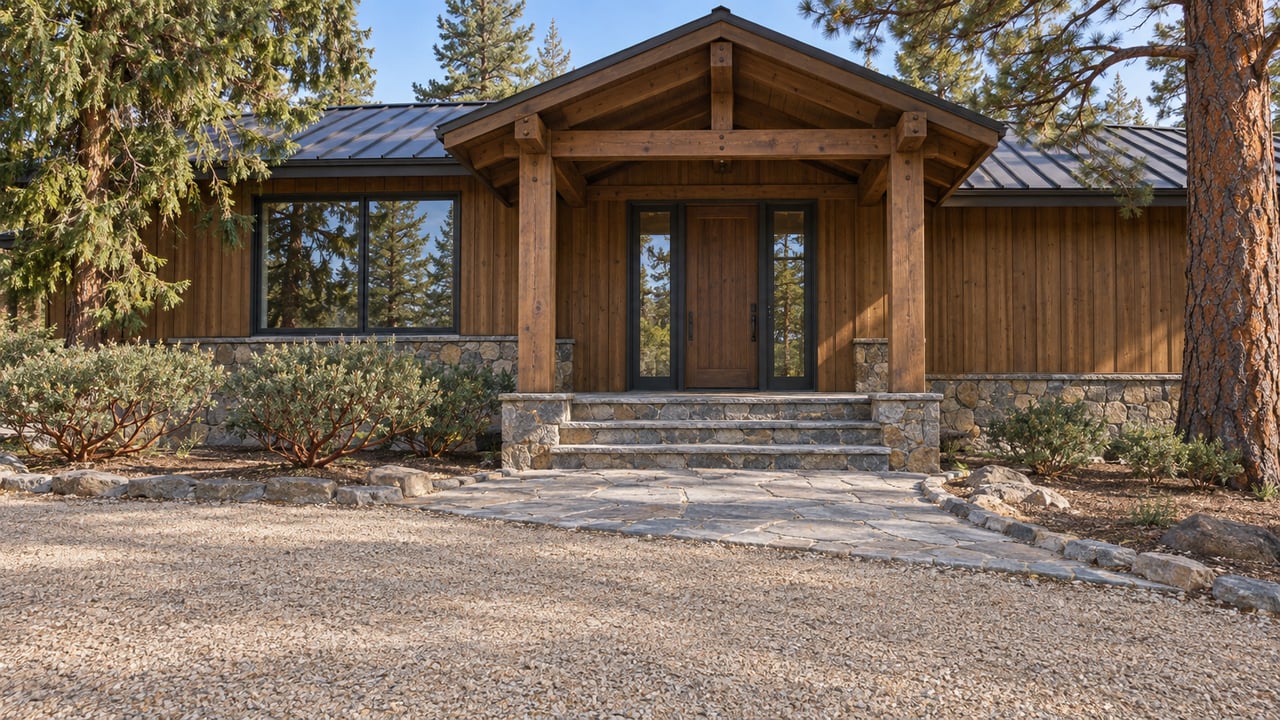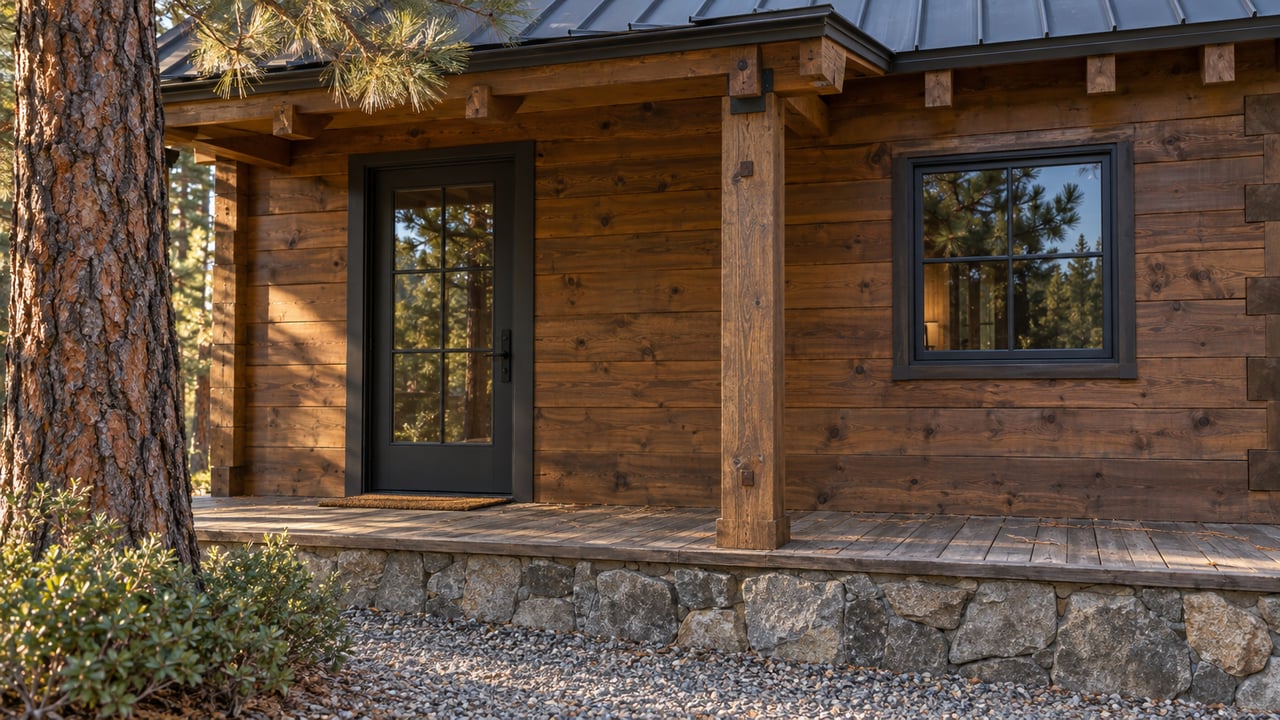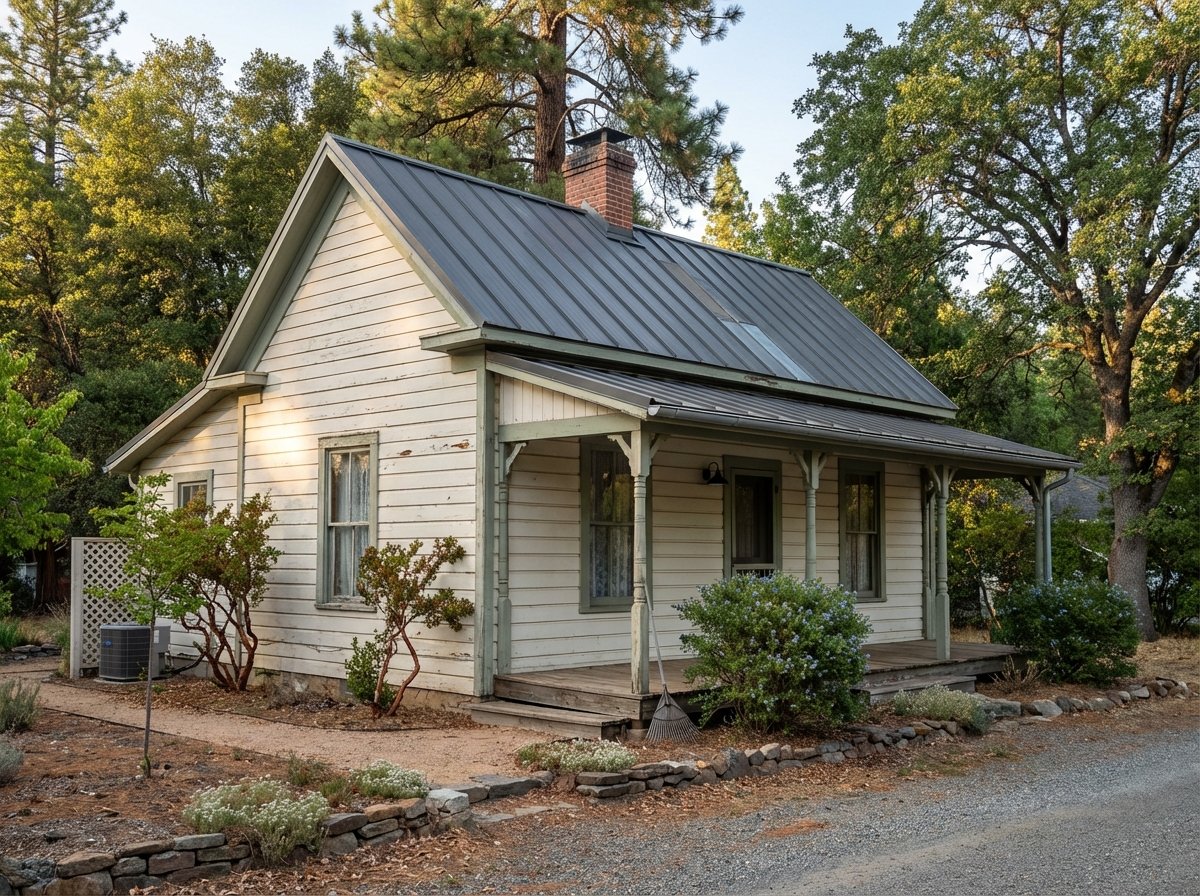
Picture yourself sipping coffee on a shaded front porch, wood floors underfoot, and a classic gable roof framing views of pine and sky. In Columbia and Jamestown, that scene is part of daily life. These towns offer Gold Rush character that feels authentic, not staged, and homes with details you cannot buy new. In this guide, you will learn what gives these places their charm, what to expect from older homes, how to tour and evaluate them, and the rules and incentives that can help you plan upgrades. Let’s dive in.
Why these towns feel different
Columbia’s downtown is preserved as Columbia State Historic Park, a living-history district with mid‑19th‑century buildings maintained as part of California’s Gold Rush story. Jamestown centers on Railtown 1897 State Historic Park and a walkable Main Street with late‑19th and early‑20th century storefronts. You are not just near history, you are in it.
Many nearby properties date from 1850 to 1920 and retain original materials and layouts. That charm comes with practical realities, including possible preservation guidelines, tourism nearby, and older building systems. If you value character and a strong sense of place, these towns deliver it.
What you will see: architecture and layouts
Main Street buildings
You will notice two‑story commercial blocks with tall “false‑front” facades and ground‑floor storefronts, often with rooms or lodging upstairs. These false‑front facades were a classic Gold Rush way to project permanence.
Residential types
Homes range from simple wood‑frame cottages to gable‑front and gable‑front‑and‑wing plans, with a few larger Victorian examples that show Italianate or Queen Anne trim. Typical exterior materials include horizontal wood siding, wood porches with turned posts or brackets, wood‑sash double‑hung windows, and brick chimneys. Interiors often have smaller rooms, narrow halls, and compact kitchens that were later updated.
Buyers love character features like original front porches, tall baseboards and moldings, decorative brackets, beadboard, wood floors, and period hardware. You will see a difference between a modest miner’s cottage and a more detailed merchant’s house, but both tell the area’s story.
Charm with responsibilities: what to expect
Electrical safety
Older homes can have outdated wiring, small service panels, or a mix of upgrades over time. This matters for safety and insurance. National data show electrical distribution and lighting equipment is a leading cause of home fire damage. Plan for an electrician’s evaluation and, if needed, panel or wiring upgrades.
Plumbing and water quality
Galvanized steel pipes and old solder can corrode and reduce flow. Ask about pipe materials, past repipes, and water testing. Full‑house repiping is a common modernization in older homes.
Heating and chimneys
Many historic houses relied on stoves or masonry fireplaces. Unreinforced chimneys can be hazardous in earthquakes. Review FEMA guidance on chimney risks and plan inspections or retrofit work where needed.
Windows, insulation, and comfort
Original wood‑sash windows and plaster walls are beautiful but drafty. The best practice is often to repair and weatherize original windows rather than replace them. See the Preservation Briefs on window repair and documentation for techniques. Attic and wall insulation is usually limited in this region, so energy updates are a smart early project.
Foundations and seismic resilience
Many older wood‑frame homes predate modern anchoring and bracing. Basic retrofits like bolting the sill plate and bracing cripple walls improve safety and may reduce quake damage. California’s Earthquake Brace + Bolt program explains scope and potential grants.
Wildfire exposure and insurance
Tuolumne County includes areas mapped as Moderate, High, or Very High Fire Hazard Severity Zones. Check the state’s Fire Hazard Severity Zone maps before you tour. High‑hazard zones can affect insurance availability and may trigger defensible‑space inspection paperwork at sale.
How to tour and evaluate a historic home
Before you go
- Check the parcel’s Fire Hazard Severity Zone status and any proximity to state park boundaries.
- Ask the seller for a list of major work and permits: electrical panel changes, repipes, foundation or seismic work, roofing, chimney repairs, and any termite treatments.
- Ask if the property is on a local historic register or under a Mills Act contract, which can change both obligations and tax treatment.
Quick on‑site checklist
- Exterior: roof condition, porch sills and posts, visible foundation cracks or settlement, unreinforced masonry chimneys, siding and paint condition.
- Windows and interiors: plaster versus drywall cracks, sagging floors, sticky doors or windows, water staining, attic ventilation.
- Systems: electrical panel size and type, visible plumbing materials, water heater age, and any woodstove or HVAC service records.
Inspections during due diligence
- General home inspection by someone experienced with older homes.
- Licensed electrician assessment if you suspect knob‑and‑tube or outdated wiring.
- Plumbing inspection and water testing if galvanized piping is present.
- Pest and termite inspection.
- Structural or foundation engineer if there is settlement or if the house lacks anchoring and bracing.
- Chimney sweep and flue inspection for masonry chimneys.
Negotiation tips
- Use inspection findings to price out likely work and request seller credits or price adjustments.
- Consider walking away if you find major foundation issues or pervasive rot.
- For manageable items like panel upgrades, repipes, window repairs, and basic seismic bracing, plan a staged improvements schedule that preserves character while boosting safety.
Local rules and incentives to know
Mills Act property tax relief
The Mills Act allows participating local governments to reduce property taxes for owners who maintain historic properties under a contract. Ask Tuolumne County if a property is eligible or already enrolled, and what the obligations are. Review the state overview of Mills Act property tax relief.
Preservation standards and design review
If a property sits in a designated district or under a Mills Act contract, exterior work that is visible from the street may require adherence to the Secretary of the Interior’s Standards and local design guidelines. Routine interior work is often less regulated, but always confirm permit requirements with Tuolumne County.
Seismic programs and grants
California’s Earthquake Brace + Bolt program and other state resources offer guidance and sometimes financial help for bolting and cripple‑wall bracing. Permits are typically required, and local contractors can advise on scope.
Wildfire disclosures and inspections
In mapped High and Very High Fire Hazard zones, transactions may require defensible‑space documentation. Check the state wildfire resources and maps and confirm county requirements early.
Budgeting for common upgrades
Costs vary by size, access, and finish level. Always get multiple local bids and include trades who know historic materials.
- Electrical rewiring or panel upgrades: often mid to high thousands for full rewires. Complexity and house size drive price, so schedule an electrician visit.
- Whole‑house repipe: national examples show low to mid thousands up to mid five figures for larger homes. PEX is often the most cost‑effective; see examples of the cost to repipe a house, then confirm locally.
- Roof replacement: widely variable; verify early in inspections. Historic shingle or specialty materials can increase cost.
- Seismic brace and bolt: basic retrofits often range from a few thousand to around ten thousand, depending on house size and scope. Confirm eligibility for grants.
Is a historic home right for you?
If you want real Gold Country character, Columbia and Jamestown offer it in spades. You will trade wide‑open modern floor plans for authentic materials, walkable historic settings, and a daily connection to the region’s story. With the right inspections, a realistic upgrade plan, and local guidance, you can keep the charm and improve comfort, safety, and efficiency over time.
If you would like construction‑savvy, hyperlocal support as you explore historic homes or prepare one for market, I am here to help. I offer full‑service residential brokerage, pricing and valuation consults, staging and design guidance, and vacation‑rental support throughout Tuolumne County. Connect with Yana Vass to get started.
FAQs
What makes Columbia and Jamestown different for historic‑home buyers?
- Both towns anchor around state historic parks and preserved Main Streets, which means you will see authentic 19th‑century buildings, tourism nearby, and potential preservation‑focused expectations for exterior work.
How do I check wildfire risk for a specific property in Tuolumne County?
- Review the state’s Fire Hazard Severity Zone maps to see if a parcel is in a Moderate, High, or Very High zone, then confirm any defensible‑space requirements with the county.
Are there tax incentives for owning a historic home here?
- Possibly. Ask about the Mills Act property tax relief and whether a property is eligible or already under contract; obligations and savings depend on the specific agreement.
What inspections are most important for older homes in Gold Country?
- In addition to a general inspection, plan for electrician and plumbing evaluations, termite/pest, chimney, and, if needed, a structural engineer. Seismic anchoring and chimney safety are common focus areas.
Should I replace or repair original wood windows in a historic house?
- Many owners achieve better comfort by repairing and weatherizing original windows rather than replacing them. See Preservation Briefs on window repair and consult local guidelines before making changes.
How do earthquakes and chimneys factor into buying an older home here?
- Unreinforced masonry chimneys can be hazardous during quakes. Budget for an inspection and review FEMA guidance on chimney risks; seismic bracing and bolting may also be recommended.