Shopping Arnold cabins and seeing A-frames, chalets, and cozy cottages blur together? You want a place that fits your lifestyle, handles winter, and is easy to maintain when you’re not there. This guide breaks down the most common cabin styles and layouts in Arnold, what they mean for storage and year-round use, and the key systems to check before you buy. You’ll also get a practical showing checklist and seasonal upkeep tips so you can shop with confidence. Let’s dive in.
Arnold setting: what shapes cabins
Arnold sits in the Sierra Nevada foothills near Stanislaus National Forest and Calaveras Big Trees State Park. Many lots are wooded and sloped, and winter brings regular freeze and snow at higher spots. This climate pushes builders toward steep roofs, practical mudrooms, and driveways that need snow management.
Utilities can vary by address. Electricity comes from PG&E, and mountain communities can see outages during storms and high fire-risk periods. Be aware of PG&E’s Public Safety Power Shutoff program and plan for safe backup power. Many homes use private wells and septic systems, and internet can range from cable to fixed wireless or satellite. Always confirm utility and provider details for the exact property.
Wildfire season is part of life in forested foothills. Defensible space, ember-resistant vents, and smart materials matter. Review CalFire’s defensible space guidance and home hardening basics as you evaluate options.
Common Arnold cabin styles
A-frame
- Description: Steep triangular roof that sheds snow well, often with a sleeping loft.
- Pros: Simple roof, great snow-shedding, compact footprint.
- Watch-outs: Sloped walls limit storage; lofts can feel tight and less private.
- Buyer questions: Closet and gear storage, condition of loft stairs/ladder, heating source and thermostat placement.
Chalet or Alpine style
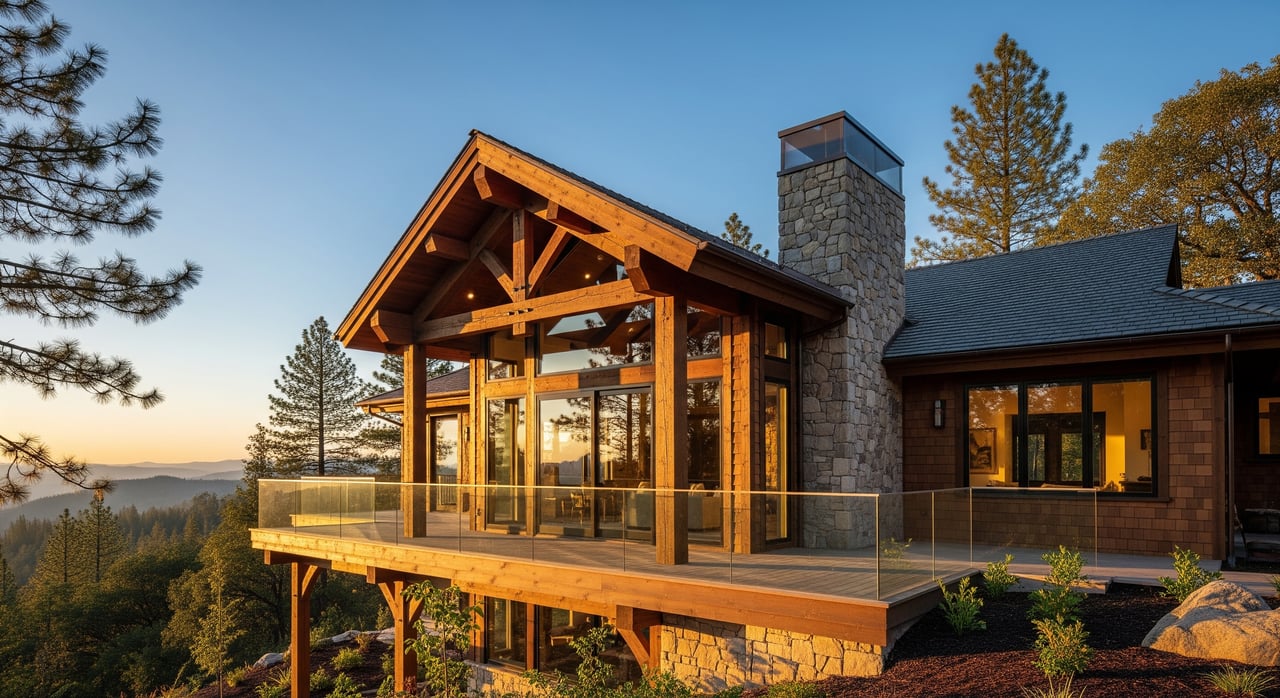
- Description: Steep roof, wide eaves, big beams, large view windows, and broad decks.
- Pros: Dramatic great rooms and views; roof handles snow well.
- Watch-outs: Decks need frequent maintenance; older windows can raise heating costs.
- Buyer questions: Deck load rating and condition, roof age, window age and insulation value, attic insulation.
Craftsman or mountain cottage
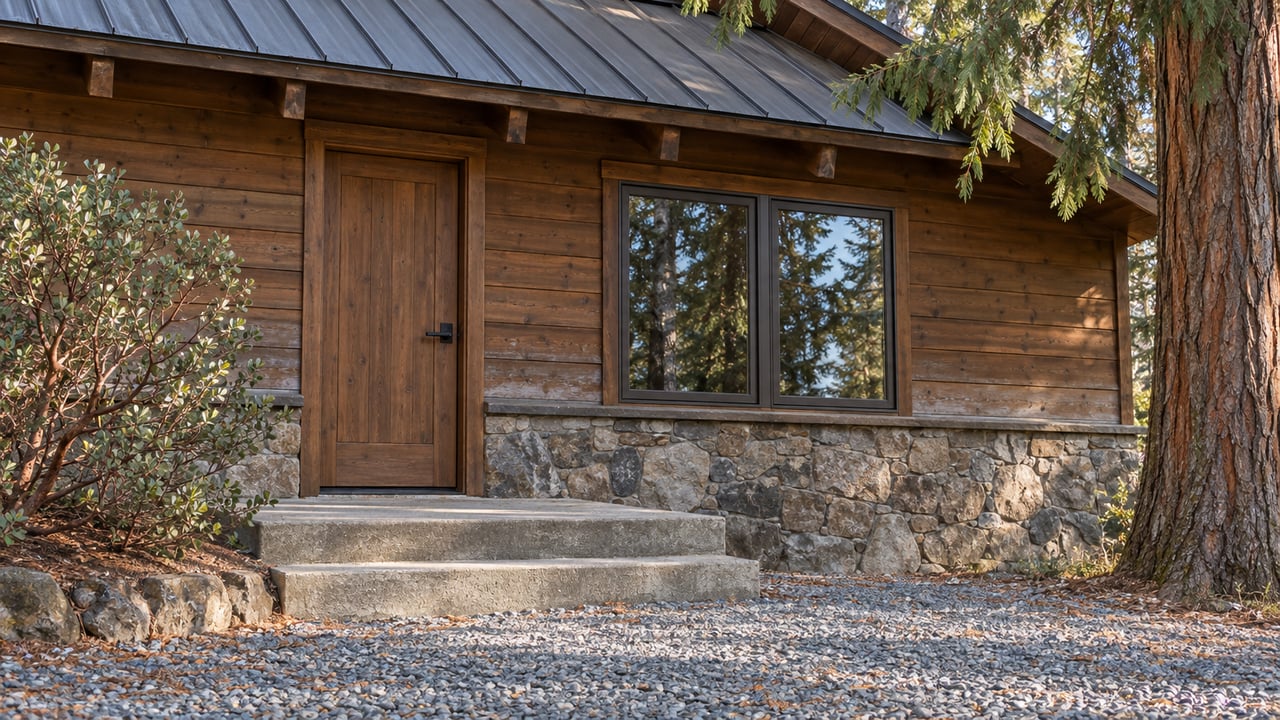
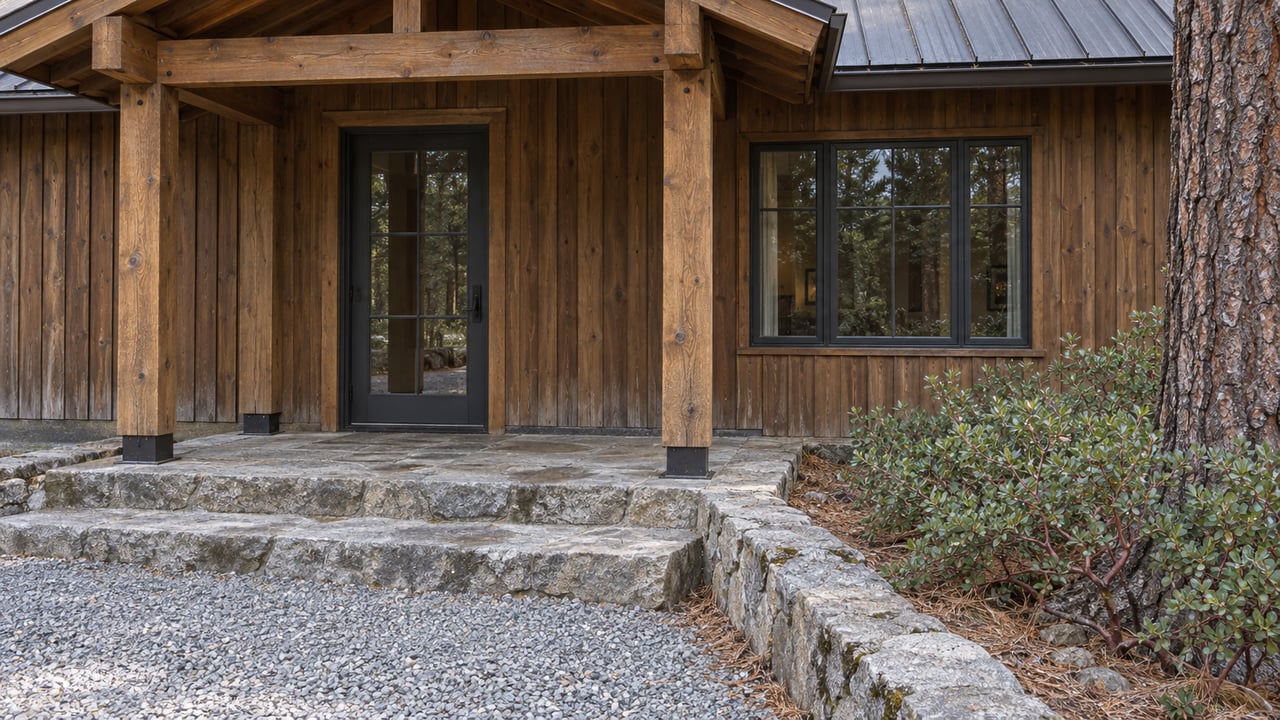
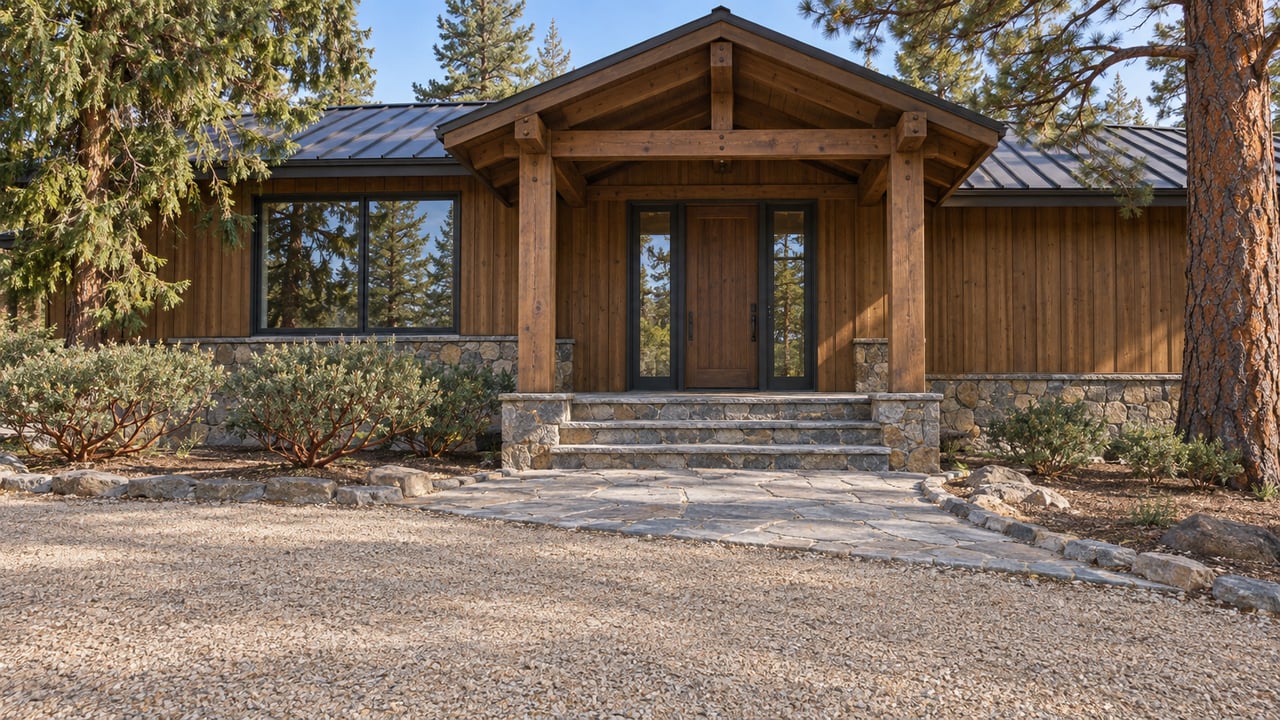
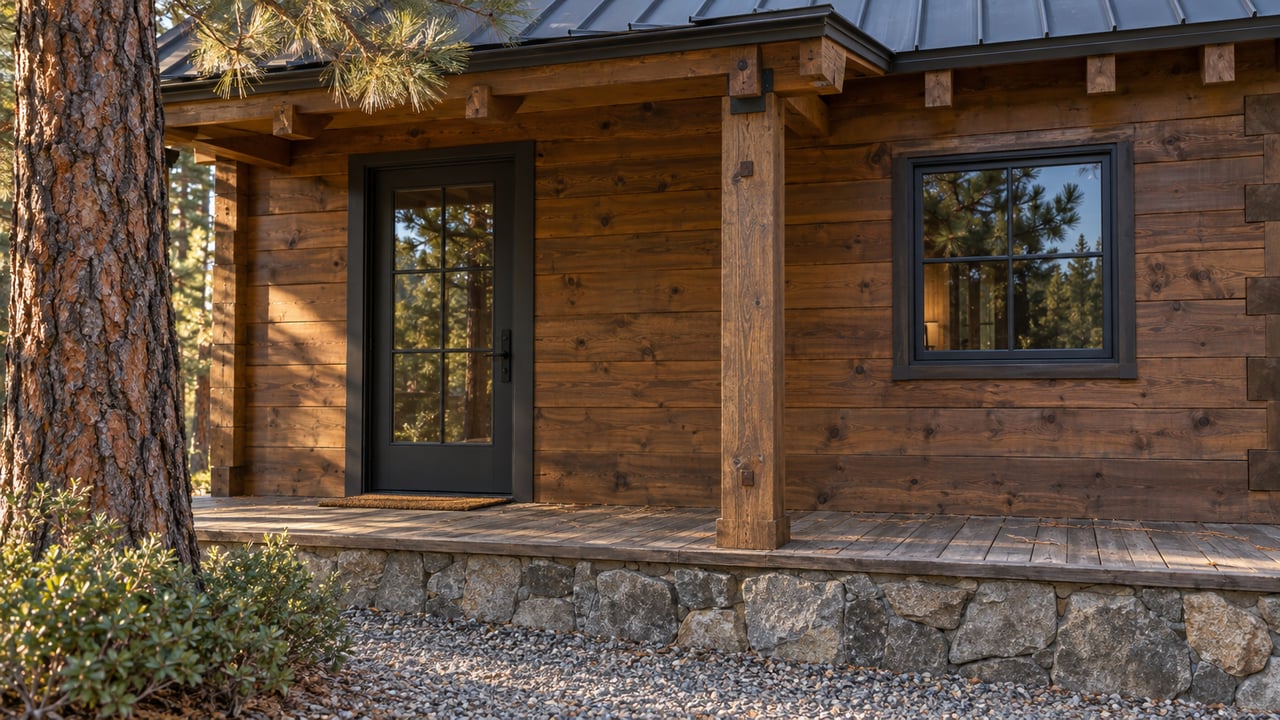
- Description: Wood siding or stone accents, simpler gables, porches, and conventional rooms.
- Pros: More standard floor plans with better closets and storage; easier to insulate.
- Watch-outs: Routine wood-siding and roof care in wet and snowy seasons.
- Buyer questions: Siding type/condition, foundation type, any water intrusion history.
Rustic log cabin
- Description: Classic log or heavy timber look with strong curb appeal.
- Pros: Durable when maintained; logs offer thermal mass.
- Watch-outs: Specialized upkeep for staining, chinking, and pest control; settling can require expert review.
- Buyer questions: Log maintenance schedule, treatments used, evidence of settling or gaps, pest inspection reports.
Split-level hillside homes
- Description: Built into a slope with staggered levels and walkout lower floors.
- Pros: Smart use of terrain; potential for a separate lower-level suite.
- Watch-outs: Drainage, retaining walls, and pier/foundation systems need careful inspection.
- Buyer questions: Foundation type, slope stabilization records, drainage plan, signs of past movement or repairs.
Single-level ranch or bungalow
- Description: One-story layouts typically on flatter lots.
- Pros: Easier access; simpler plumbing and heating runs.
- Watch-outs: Fewer dramatic views on lower terrain; less common on steep sites.
- Buyer questions: Insulation levels, foundation type, utility locations for freeze protection.
Tiny cabins, ADUs, and STR-focused layouts
- Description: Small footprints tailored for weekend use or short-term rentals.
- Pros: Lower costs and easier to winterize.
- Watch-outs: Limited storage; septic capacity and local STR rules may limit use.
- Buyer questions: Permitted use, septic size and condition, parking and access, rental regulations.
Layouts you’ll see inside
Great room with cathedral ceilings
This is common in chalets and newer cabins. It feels open and social, but warm air rises and can drive up heating demand. Look for good ceiling insulation and consider ceiling fans or zoned heat to reduce stratification.
Lofts and loft bedrooms
Lofts add sleeping space without a bigger footprint. They trade privacy and may not count as official bedrooms for financing or rental rules. Confirm egress, stairs safety, and if the loft will meet your needs.
Main-level primary bedroom
A main-level bedroom helps with accessibility and privacy. If bedrooms are all in a loft, consider how noise travels and how you’ll separate sleeping areas for guests.
Mudroom and entry storage
A dedicated mudroom with laundry is a big win in snowy and wet seasons. Durable flooring, hooks, and benches protect the rest of the home and keep gear organized.
Garage, carport, and parking
On sloped lots, garages are less common. You may rely on a steep driveway and a parking pad. Check winter access, plow turnaround, and guest parking.
Utility room placement
Water heaters, furnaces, and propane lines should be protected from freezing and easy to service. Look for insulated enclosures, heat tape on exposed lines, and a clean path for maintenance.
Foundations and slope design
Arnold cabins often sit on crawlspaces or pier/post systems, with some walkout lower levels. Basements are less common on rocky slopes. Ventilation, rodent proofing, and moisture control matter in crawlspaces, and drainage must move water away from the structure. On hillside homes, ask about retaining walls, French drains, and any engineering reports.
Systems, safety, and seasonal use
Heating and chimneys
Expect wood or pellet stoves, propane furnaces, or electric heat. Wood heat needs a permitted stove, proper clearances, and annual chimney cleaning. Confirm fuel types, ages of appliances, and service records.
Roofs, snow load, and decks
Steep roofs shed snow, but age and materials still matter. Ask about past ice dams and ventilation. Decks carry heavy winter loads and face moisture cycles, so inspect fasteners, railings, and ledger connections.
Water: wells and quality
Most cabins rely on wells. Order a well inspection with yield, pump depth, and pump condition, plus current lab water tests for bacteria, nitrates, and metals. Confirm freeze protection for exposed lines and the well house.
Wastewater: septic systems
Get septic records, including installation date, tank size, and last pump date. A full inspection can prevent surprises and will inform occupancy and rental potential.
Driveways and winter access
Steep or narrow driveways are common. Ask how snow removal is handled, if a private plow service is available, and whether you need chains or 4WD during storms. Review surfacing and drainage to avoid ruts and ice.
Power and backup strategies
Outages and PSPS events happen. Check panel capacity, presence of a transfer switch, and whether a portable or whole-house generator fits your plans. Store fuel safely and keep carbon monoxide alarms current.
Wildfire mitigation and insurance
Look for noncombustible siding, ember-resistant vents, and dual-pane tempered windows. Ask for proof of defensible space work and tree trimming. Review insurers’ requirements and whether documented improvements help premiums. For context, study CalFire’s defensible space guidance and home hardening checklist.
Winterization and remote monitoring
If you’ll come up seasonally, plan to drain lines, insulate exposed plumbing, and set thermostats to protect pipes. Add leak sensors, temperature monitors, and camera access so you can check conditions after storms. Many owners hire local caretakers for routine checks.
Extra inspections to plan
- Chimney and wood-stove inspection and cleaning by a certified sweep.
- Septic tank inspection and, if needed, drain-field assessment by a licensed provider.
- Well inspection and water testing by a pump specialist and certified lab.
- Roof and snow-load review by a qualified roofing contractor.
- Structural review for pier, post, or slope issues if signs of movement exist.
- Pest inspection for wood-destroying organisms, especially for log or timber homes.
Quick showing checklist
- Lot and access: elevation, driveway steepness, turnaround space, and winter plow plan.
- Foundation and drainage: type, retaining walls, slope stabilization records.
- Bedrooms: which rooms meet egress; count true bedrooms vs lofts.
- Heating: fuel types, appliance ages, service records, chimney sweep date.
- Roof and decks: roof age and any ice dam history; deck condition and rating.
- Water: well yield, pump details, and latest lab test results.
- Septic: tank size, last pump date, system location, and inspection records.
- Electrical: panel capacity, generator or transfer switch presence, outage history.
- Insulation and windows: attic/wall insulation, window type and age.
- Wildfire prep: defensible space documentation and home-hardening features.
- Internet and cell: provider and speeds verified at the address.
- Permits: records for additions, stove installs, and any engineered work.
Seasonal maintenance list
- Annual: chimney sweep; septic inspection/pump if due; roof and gutter cleaning; deck sealing/repairs; HVAC or stove service; pest inspection.
- Pre-winter: insulate exposed plumbing; test generators; stock traction sand and snow tools; verify plow access; clear vegetation near driveways.
- Spring/summer: check roof and flashing after snowmelt; clear gutters; inspect crawlspace for moisture; perform brush reduction and vent cleaning; update water tests if you are a frequent occupant.
- Ongoing: fix leaks quickly; monitor foundation and drainage after heavy weather.
Ready for showings?
You deserve a mountain cabin that fits how you live and is safe, efficient, and low stress to maintain. If you want construction-savvy guidance while you compare styles, layouts, and systems, I’m here to help you shop smarter, line up the right inspections, and plan for rental or seasonal use. Reach out to Yana Vass to schedule a friendly consult and map your next steps.
FAQs
Which Arnold cabin style handles snow best?
- Steep-roof A-frames and Alpine-style chalets shed snow well, but you should still verify roof age, materials, and snow-load rating during inspection.
What are the downsides of loft bedrooms in cabins?
- Lofts reduce privacy and may not qualify as official bedrooms for financing or rental rules; confirm egress, stair safety, and whether the space meets your needs.
What should I check with wells and septic before closing?
- Order a well inspection with yield and water-quality lab tests, and a septic inspection with tank size, last pump date, and system location to avoid surprise costs.
How do PG&E PSPS events affect cabin use?
- During extreme fire risk, power may be shut off; confirm panel capacity, consider a transfer switch and generator, and keep CO alarms and safe fuel storage in place.
Which wildfire mitigation features help with insurance?
- Defensible space work, ember-resistant vents, dual-pane tempered windows, and noncombustible siding can reduce risk and may support insurance availability and pricing.