Wondering why some Pinecrest vacation rentals get more clicks, better reviews, and stronger nightly rates than others? In a mountain market where guests arrive with coolers, boots, skis, and lake gear, great staging is not just about style. It is about making your cabin look inviting in photos, feel easy to use in person, and hold up between stays. If you want your property to book more often and present well online, these Pinecrest-focused staging tips can help you start in the right places. Let’s dive in.
Start With What Guests See First
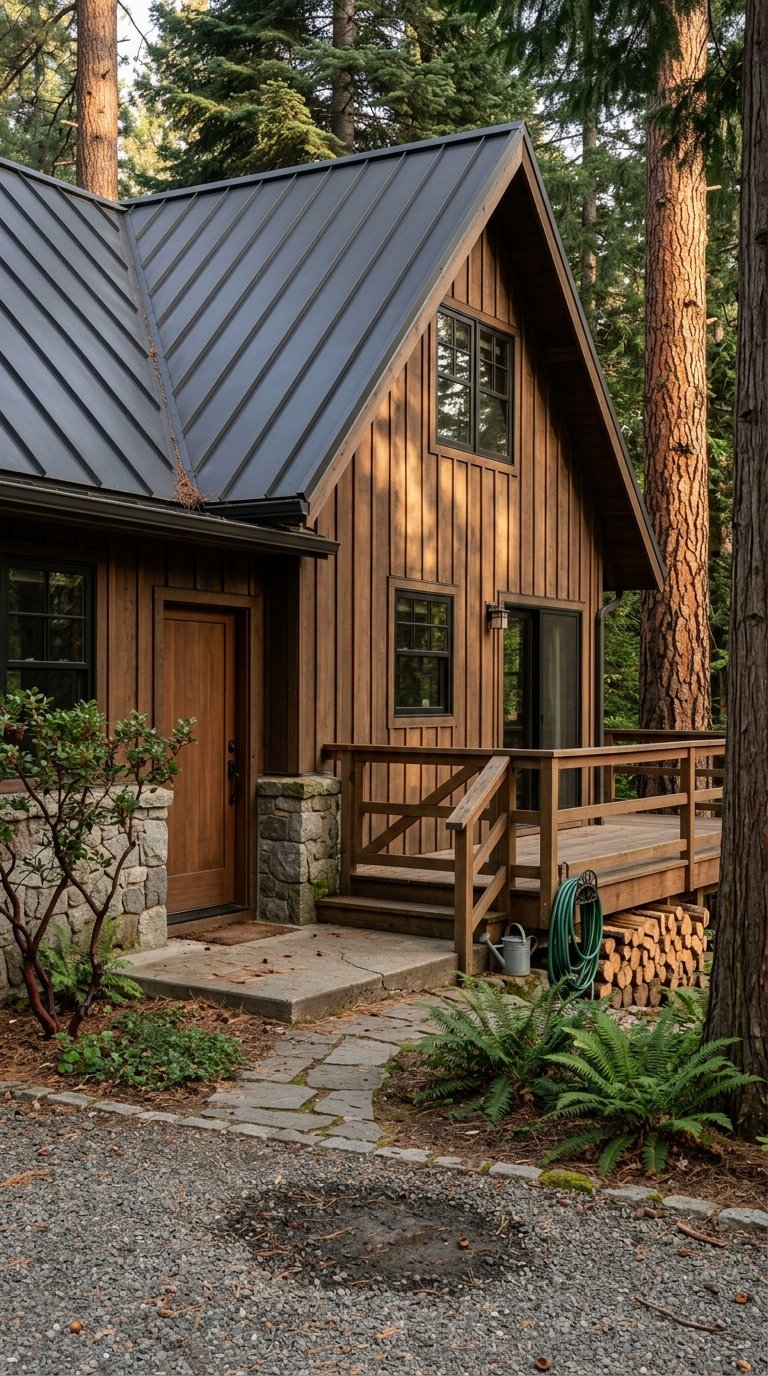
In Pinecrest, first impressions begin before guests step inside. The area’s mountain setting, changing weather, and county evacuation-planning guidance make a smooth arrival especially important.
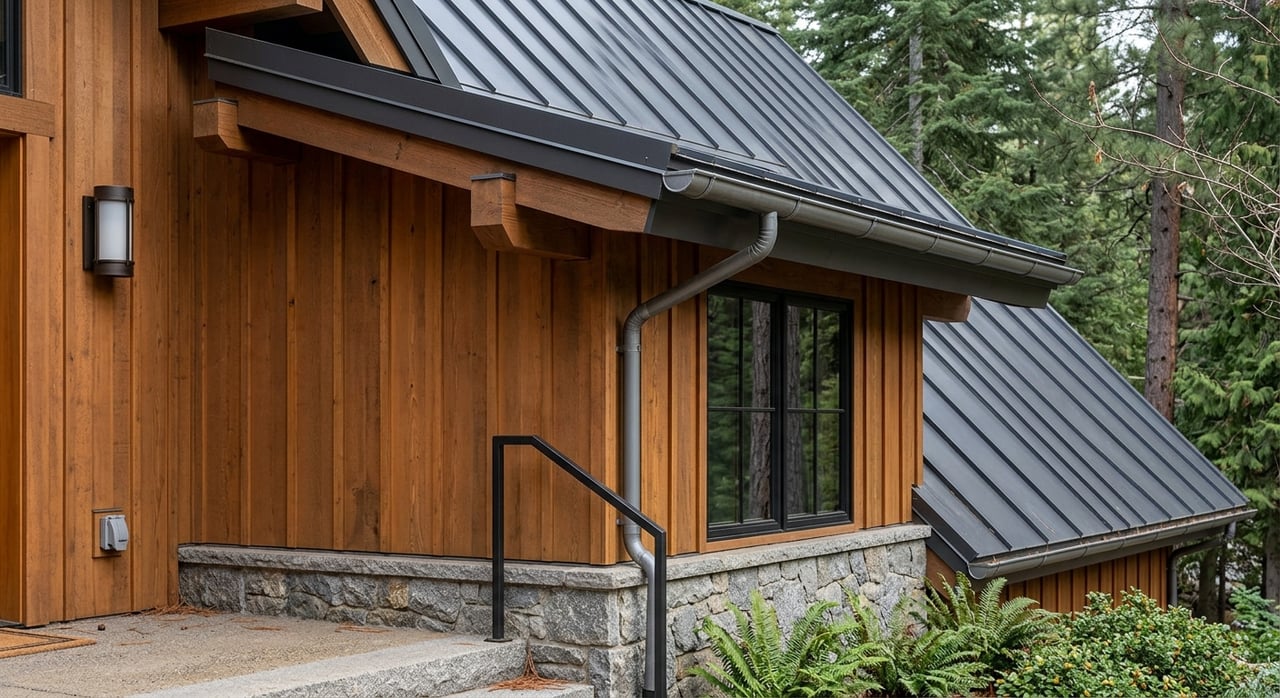
Your exterior should feel clear, simple, and easy to navigate. That means keeping driveway access open, making the address easy to spot, and creating an entry path that feels obvious even if guests arrive after dark or in rough weather.
A good setup also helps your listing photos. If the front approach looks clean and organized, guests are more likely to feel confident about the rest of the stay.
Focus on the arrival sequence
Think about how a guest experiences the property in the first two minutes. Can they find the home quickly, park easily, and understand where to enter without guessing?
That practical flow matters in Pinecrest, where storms and seasonal road conditions can affect travel. A polished arrival experience supports both convenience and trust.
Stage the Living Room First
If your goal is more bookings, start with the living room. Staging research shows this is the most important room to stage, and that makes sense for a Pinecrest cabin.
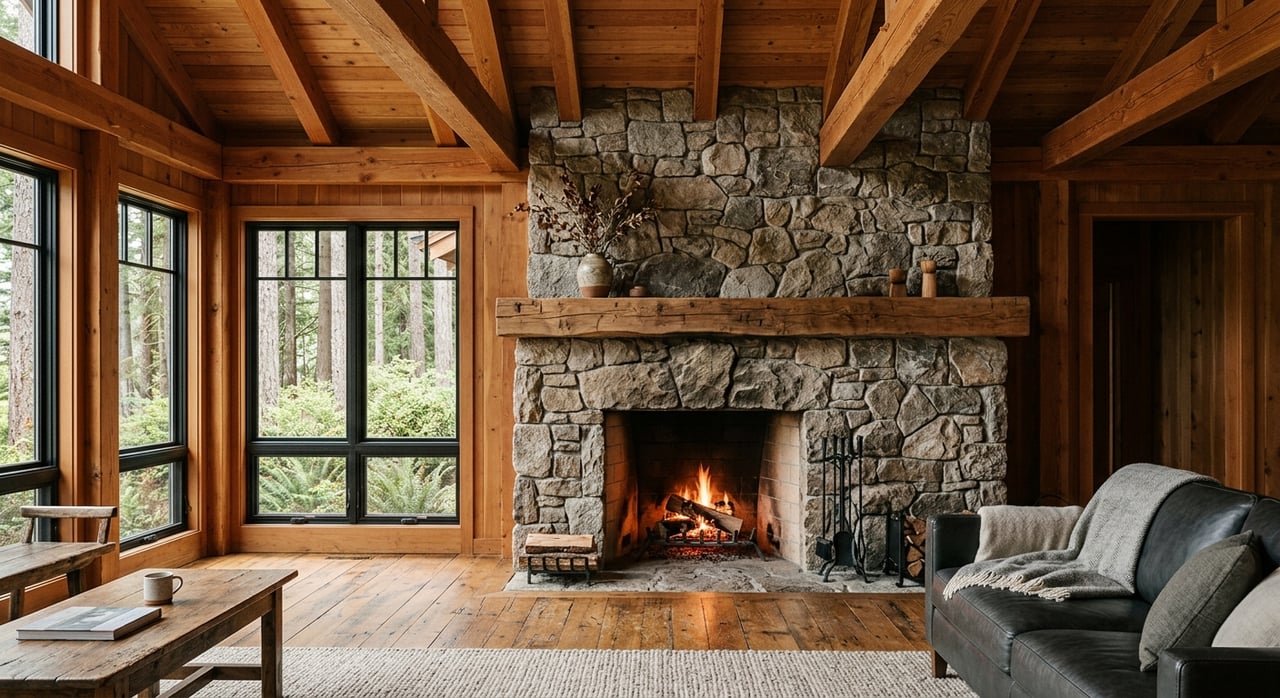
This is where guests picture gathering after the lake, warming up after snow play, or relaxing at the end of the day. Your living room should show comfort, seating, and easy conversation without feeling crowded.
Choose a layout that makes the room feel open. Keep traffic paths clear, remove extra furniture, and use a few simple accents instead of filling every surface.
Make comfort easy to see
Your photos should quickly show where guests can sit, unwind, and spend time together. Use clean pillows, a few layered textiles, and balanced lighting to make the room feel warm but not overly styled.
A restrained mountain look usually works better than a heavily themed cabin design. Warm neutrals and soft whites tend to photograph well and help the space feel fresh.
Give the Primary Bedroom a Calm, Clean Feel
After the living room, the primary bedroom deserves your attention. Guests want the sleeping spaces to feel restful, simple, and ready to use.
Make the bed the focal point. Use coordinated bedding, keep nightstands uncluttered, and add soft lighting on both sides if space allows.
Avoid overly bold colors or busy patterns. A calmer palette helps the room feel larger, brighter, and more broadly appealing in listing photos.
Show comfort without overfilling the room
A bedroom should feel finished, but not packed with decor. Too many personal items, signs, or small accessories can distract from the room itself.
Instead, focus on basics done well. Clean linens, one pillow per guest, and a layout that makes movement easy all help the room feel trustworthy and guest-ready.
Make the Kitchen Look Functional
Guests often filter listings by amenities, and the kitchen is one of the easiest places to support that decision visually. Even if your kitchen is compact, it should look clean, useful, and easy to understand.
Clear off most counters so the room feels larger. Leave just a few practical items in view, such as a coffee setup or a neatly placed tray, if they fit the space.
The goal is to show that guests can cook, gather, and reset the space without hassle. In a vacation rental, function is part of the design.
Highlight the basics guests expect
Your listing should accurately match what guests will find. That includes bathroom basics, working locks, linens for each bed, soap, toilet paper, towels, and pillows.
Staging should support that sense of completeness. A kitchen that looks stocked, organized, and ready for real use can strengthen guest confidence before they ever book.
Show Sleeping Capacity Clearly
In Pinecrest, many bookings may include families or mixed groups using the home for lake days, hiking trips, or winter weekends. That makes sleeping layout one of your most important staging decisions.
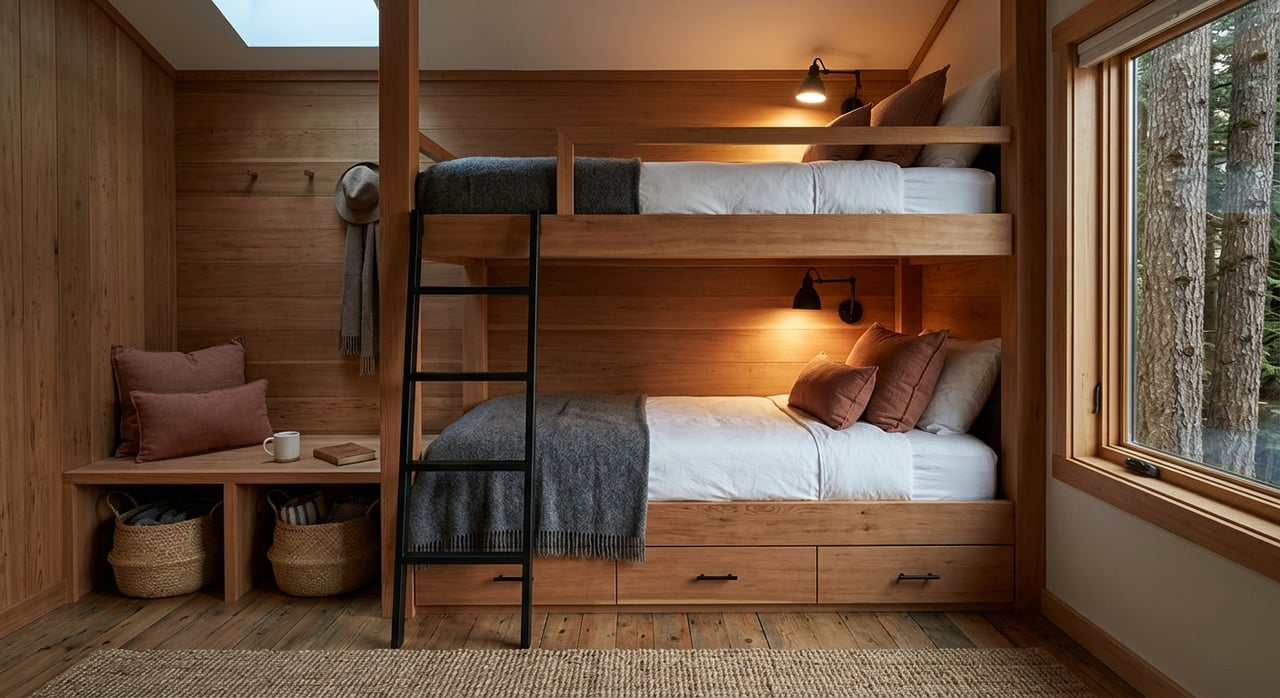
If you offer bunks, twin beds, trundles, or a sofa sleeper, make sure the setup is easy to understand in both photos and description. Guests should not have to guess where everyone will sleep.
At the same time, avoid cramming too much furniture into one room. Capacity helps bookings, but a crowded photo can make the whole property feel smaller.
Balance flexibility and space
A flexible sleeping plan works best when the room still feels open. Make beds neatly, simplify the decor, and photograph the room from angles that show floor space.
This helps guests picture their group staying comfortably, which can support stronger booking decisions.
Use Durable, Mountain-Friendly Finishes
A Pinecrest cabin needs to do more than look good on photo day. It also needs to handle wet boots, pine needles, swimsuits, fishing gear, and winter layers between turnovers.
That is why durable staging choices matter. Washable textiles, sturdy upholstery, easy-clean tables, and simple decor can help your home stay attractive with less effort.
Closed storage also makes a big difference. It gives guests a place to put their belongings and helps your cleaner reset the home faster between stays.
Create a gear-drop zone
One of the smartest staging moves for a mountain rental is a clear landing area near the entry. A bench, hooks, boot tray, towel hooks, and a drying area can keep outdoor gear from spreading through the house.
This is not flashy, but it is highly useful in Pinecrest. It also helps your cabin feel designed for the way guests actually travel and live during a stay.
Improve Lighting for Better Photos
Tree cover and winter weather can make cabin interiors feel darker than they are. Since photos play a major role in booking decisions, lighting should be part of your staging plan.
Relying on one overhead fixture often leaves rooms flat or shadowy. A better approach is layered lighting with ambient light, bedside lamps, and task lighting where needed.
This makes the home feel brighter in person and cleaner in photos. It can also help rooms appear larger and more welcoming online.
Check every room before photography
Before photos are taken, turn on all working lights and look for dark corners. Replace mismatched bulbs and aim for even, consistent light throughout the home.
A well-lit listing usually feels more polished and more reliable to potential guests.
Keep Outdoor Areas Simple and Useful
In Pinecrest, outdoor space is part of the experience. Guests come for the forest setting, the lake, and seasonal recreation, so decks, porches, and gathering areas matter.
Still, outdoor staging should stay simple. You want enough furniture to suggest comfort and use, but not so much that the area feels cluttered or hard to maintain.
This is especially important in a mountain environment where weather, debris, and wildfire safety all affect upkeep.
Stage with safety in mind
Tuolumne County requires visible address identification for short-term rentals, and local rules also require key safety features such as smoke alarms, carbon-monoxide alarms where applicable, and a fire extinguisher near the kitchen. County ordinance also requires interior postings with local contact and emergency evacuation information, plus a current fire inspection for short-term rentals in the unincorporated area.
CAL FIRE guidance adds another layer. Defensible space is required by law, and combustible materials should be kept away from the home. That means your outdoor staging should never block exits, crowd decks, or spill into areas that should stay clear.
Don’t Let Decor Compete With Compliance
One of the biggest mistakes in vacation-rental staging is treating the home like a photo set instead of a working property. In Pinecrest, your cabin needs to photograph well, function smoothly, and support local safety requirements.
Keep alarms accessible, maintain clear paths, and avoid styling choices that hide essential items. A beautiful cabin that feels easy to use will usually outperform one that looks overdone.
This is also where a practical, local approach matters. Mountain rentals perform best when the design fits real guest behavior and local conditions.
Prioritize the Right Staging Order
If you are not sure where to spend time or money first, keep your focus narrow. The most effective order for a Pinecrest vacation rental is usually:
- Living room
- Primary bedroom
- Kitchen
- Sleeping configuration
- Outdoor gathering areas
This approach helps you improve the spaces that most strongly shape guest perception. It also supports better photos, a clearer listing, and a more polished overall impression.
Small Details That Build Trust
Bookings often come down to confidence. Guests want to know the listing matches reality and that the property is ready for their stay.
A staged cabin should look complete, not sparse or uncertain. When guests can see comfort, functionality, and thoughtful setup in your photos, they are more likely to believe the stay will go smoothly.
That is why simple details matter so much. Matching linens, tidy surfaces, visible organization, and a clean entry can all help reinforce quality.
If you are preparing a Pinecrest cabin for sale, rental use, or both, staging works best when it is guided by local experience and practical design sense. Yana Vass offers hands-on staging guidance, vacation-rental support, and mountain-market insight to help you present your property at its best.
FAQs
Which rooms matter most when staging a Pinecrest vacation rental?
- The living room, primary bedroom, and kitchen should usually come first because staging research identifies them as the highest-priority rooms.
What basics should a Pinecrest short-term rental always include?
- At minimum, guests should find toilet paper, soap, one towel per guest, one pillow per guest, linens for each guest bed, working locks, and standard bathroom basics.
What style works best for Pinecrest cabin staging?
- A restrained mountain style with warm neutrals and soft whites usually works better than an overly themed rustic look because it feels cleaner and photographs well.
What safety items matter most for a Pinecrest short-term rental?
- Core items include smoke alarms, carbon-monoxide alarms where applicable, a fire extinguisher near the kitchen, visible address identification, defensible space, and a current Tuolumne County fire inspection.
Why does staging help vacation rental bookings in Pinecrest?
- Strong staging can improve photos, help guests understand the layout and amenities, and make the property feel more complete and trustworthy before they book.