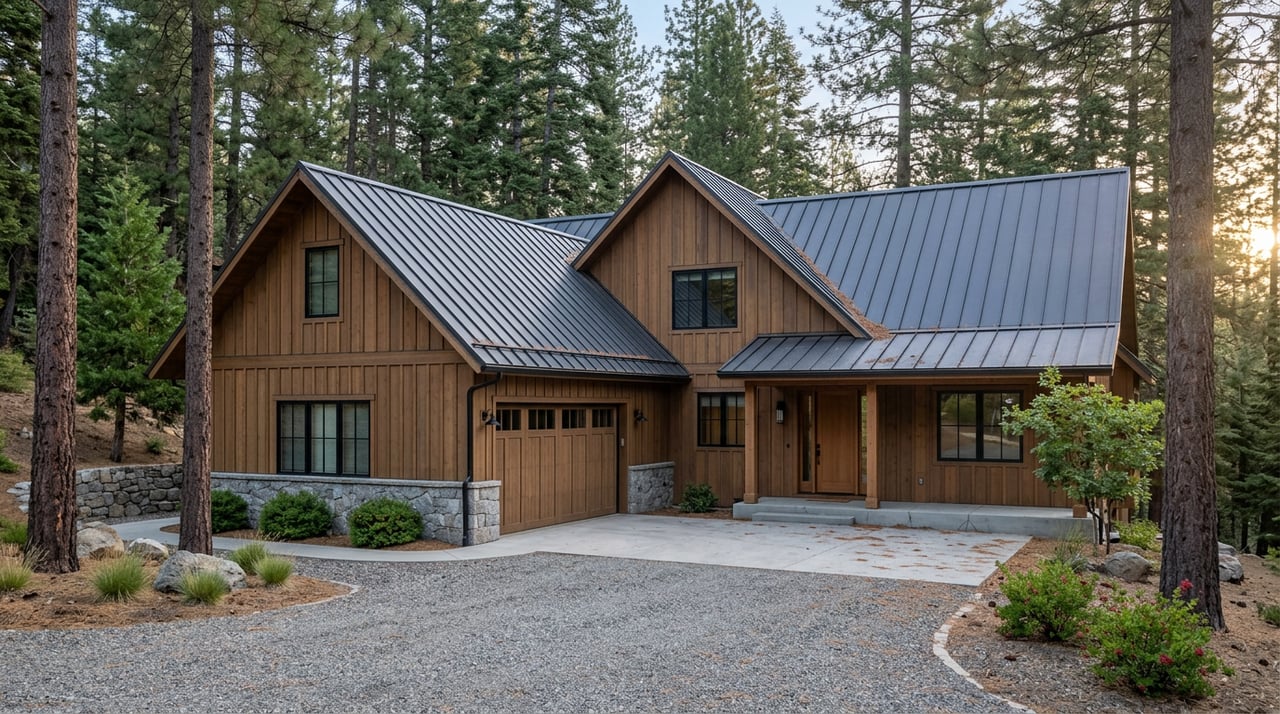
Are you torn between a walkable Victorian near Sonora’s historic core and a quiet hillside home with views? You are not alone. Each option offers real benefits, from daily convenience to room to spread out. In this guide, you will see how lot sizes, utilities, parking, wildfire exposure, commutes, and maintenance compare so you can decide with confidence. Let’s dive in.
Downtown vs hillside at a glance
- Downtown: compact lots, historic charm, strong walkability, limited off-street parking.
- Hillside and outer areas: larger lots, more privacy, better views, more site and vegetation maintenance.
- Citywide context: Sonora’s housing stock skews older, which can shape inspections and budgeting.
Downtown Sonora living
Lot sizes and age
In the historic core along Washington, Stewart, Church, and Green, you will see compact, urban-scale parcels and a high share of older homes. City planning data shows about 77% of units are 30 or more years old and about 51% are 50 or more years old. That history gives downtown its character and also means you should plan for older systems and targeted updates. You can review the City’s housing age and zoning overview in the City of Sonora Housing Element.
City of Sonora Housing Element (2024–2029)
Parking and access
Private garages can be limited downtown, and many addresses rely on on-street spaces or municipal lots. The City has taken steps to manage and expand public parking near the historic core, which signals ongoing demand. Expect tighter parking during events and market days.
City meeting record on downtown parking actions
Everyday rhythm
If you prefer to walk to restaurants, shops, and community events, downtown makes everyday errands simple. Street closures for parades and markets bring activity close by, which many residents enjoy. For ideas on local happenings, explore a current overview of things to do in Sonora.
Things to do in Sonora overview
Hillside and outer-area living
Space, privacy, and views
Hillside and outer-area properties commonly offer larger lots, more distance to neighbors, and better view potential. You will find a mix of mid-to-late 20th-century homes and newer builds outside the historic core. Verify any view protections and nearby development potential before you buy.
Utilities and access
Inside the Tuolumne Utilities District (TUD) service area, homes are commonly connected to municipal water and sewer. Outside of that footprint, or on some infill lots, you may see private wells and septic systems. Ask for septic inspection and pumping records and confirm well permits and test results as part of your due diligence.
Topography matters in the hills. Steeper driveways, retaining walls, and private road agreements can add both complexity and cost. Review access conditions and maintenance responsibilities before committing.
Wildfire and vegetation management
Many hillside parcels in the Sierra foothills fall into higher Fire Hazard Severity Zones and are subject to defensible space and wildland-urban interface standards. Budget time and costs for vegetation management. If a property has a well or septic, know that post-fire impacts may require testing and cleanup.
Costs and value signals
Citywide market snapshots in late 2025 and early 2026 place typical home values in the mid 300s to low 400s. Prices vary by micro-area and condition, with historic downtown homes and larger modern hillside builds often landing in different ranges. Because Sonora’s housing stock skews older, factor in inspections and potential upgrades when comparing list prices.
Micro-areas to explore
Historic core: Washington, Stewart, Church, Green
- What you get: compact lots, walkable blocks, historic architecture.
- Watch for: limited private parking and older systems.
- Best if you want: character, convenience, and easy access to shops and events.
City of Sonora Housing Element, historic fabric and zoning
Cuesta Heights and south/southwest hills
- What you get: a mix of mid-to-late century homes and newer infill on hillside streets.
- Watch for: slope, driveway gradients, and private road details.
- Best if you want: a short drive to downtown plus more privacy and yard space.
East Sonora and the Phoenix Lake corridor
- What you get: suburban-scale lots with more frequent municipal water and sewer coverage inside the TUD footprint.
- Watch for: verify actual TUD connections and any slope-related constraints.
- Best if you want: larger lots and convenient utilities within an easy drive of town.
Outlying ranch and rural parcels
- What you get: multi-acre properties with room for outbuildings and space to spread out.
- Watch for: wells, septic systems, private roads, and wildfire mitigation.
- Best if you want: privacy and land, and you are comfortable managing rural systems and longer drives.
Commutes and daily driving
Most Sonora residents drive to work, and the average commute time is about 33 minutes. Your actual time will depend on route and time of day, especially along SR-49 and SR-108. Test your drive during typical commute hours when you can.
DataUSA commute profile for Sonora
Maintenance and long-term planning
- Downtown: expect targeted updates to roofs, electrical panels, foundations, and plumbing due to age. Exterior yard work is lighter on compact lots.
- Hillside: plan for driveway upkeep, erosion control, culvert cleaning, and regular vegetation management for defensible space. If you are on septic or a well, build in testing and periodic service costs.
- Citywide: the City’s survey shows many homes are older, which makes thorough inspections a smart investment.
City of Sonora Housing Element, housing age and condition
Buyer due-diligence checklist
Use this list to verify key items before you write your offer:
- Utilities: confirm if the property is inside TUD’s water and sewer service area and whether hookups are present.
- Septic and well: request septic inspection and pumping records and well permits and test results from the County.
- Slope and access: evaluate driveway steepness, retaining walls, and any private road agreements or fees. The City’s hillside policies highlight slope constraints.
- Wildfire: look up the parcel’s Fire Hazard Severity Zone, ask about defensible space work, and get insurance estimates early.
- Post-fire systems: if relevant, know that wells and septic can be affected by wildfire.
- Parking realities: downtown buyers should confirm garage size, off-street spaces, time limits, and recent City actions near the property.
- Commute testing: map your routes and drive them at typical hours; use citywide averages as a baseline only.
- Age and systems: for older homes, order roof, foundation, electrical, plumbing, and termite inspections. Build a budget for likely updates.
Which fit is right for you?
Choose downtown if you value walkability, historic architecture, and being close to events and services. Pick the hills if you want space, privacy, views, and room for hobbies or outbuildings. Either way, a clear plan for utilities, access, wildfire, and inspections will keep your purchase on track and your budget realistic.
How we help in Sonora
You deserve advice that blends local insight with practical construction know-how. As a boutique, hands-on practice, we help you compare downtown and hillside options through the lens of condition, access, and long-term maintenance. We coordinate inspections, review utility and fire-zone details, and offer design and staging guidance if you are selling or setting up a second home. Ready to talk through your goals in Sonora or nearby foothill communities? Connect with Yana Vass to schedule a Free Home Valuation & Consultation.
FAQs
What are typical downtown Sonora lot sizes?
- Many parcels near Washington, Stewart, Church, and Green are compact urban lots, often around a tenth to a fifth of an acre. Expect smaller yards and efficient site footprints.
How do I confirm if a Sonora home has municipal water and sewer?
- Contact the Tuolumne Utilities District and verify service connections and availability for the address using the District’s customer service resources.
How risky is wildfire for hillside homes near Sonora?
- Many hillside parcels sit in higher Fire Hazard Severity Zones that require defensible space and can affect insurance. Check the parcel’s FHSZ and local requirements before you buy.
What should I budget for older downtown homes in Sonora?
- Plan for inspections and potential upgrades to roofs, foundations, electrical panels, and plumbing due to age. City data shows a large share of homes are 50 or more years old.
What is the average commute time for Sonora residents?
- The citywide average commute is about 33 minutes. Test your specific route during commute hours for a realistic estimate.