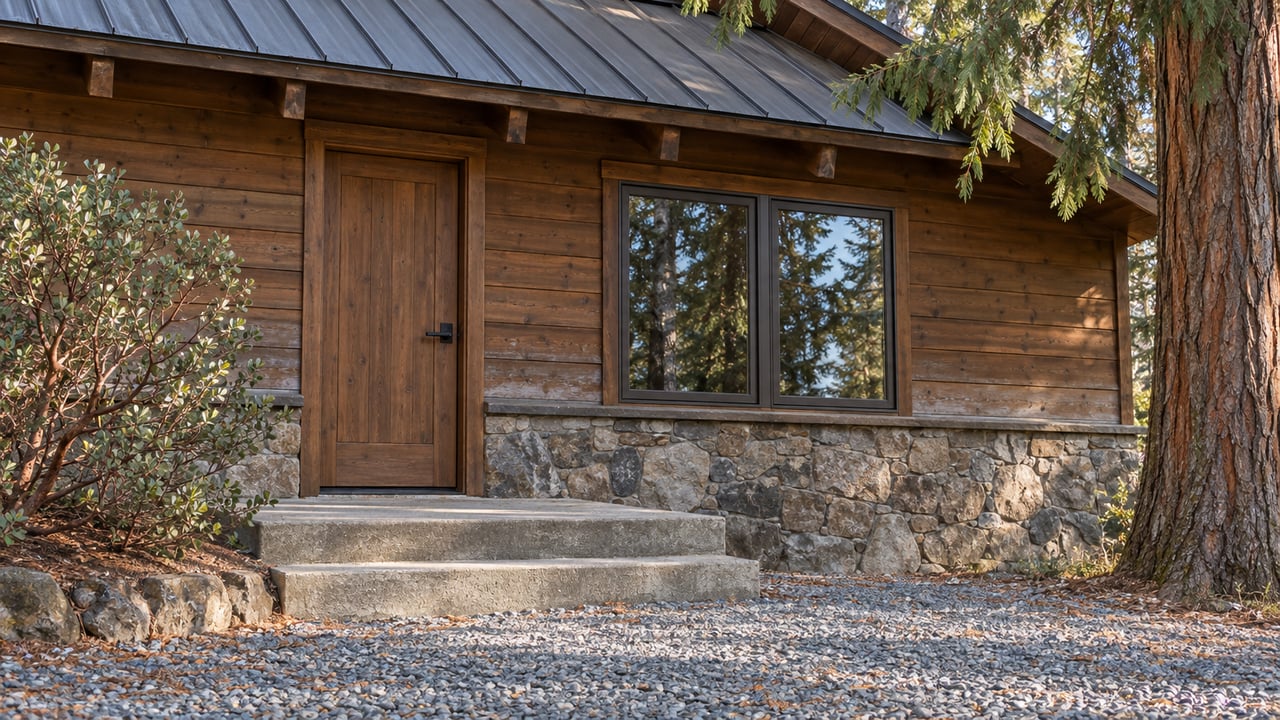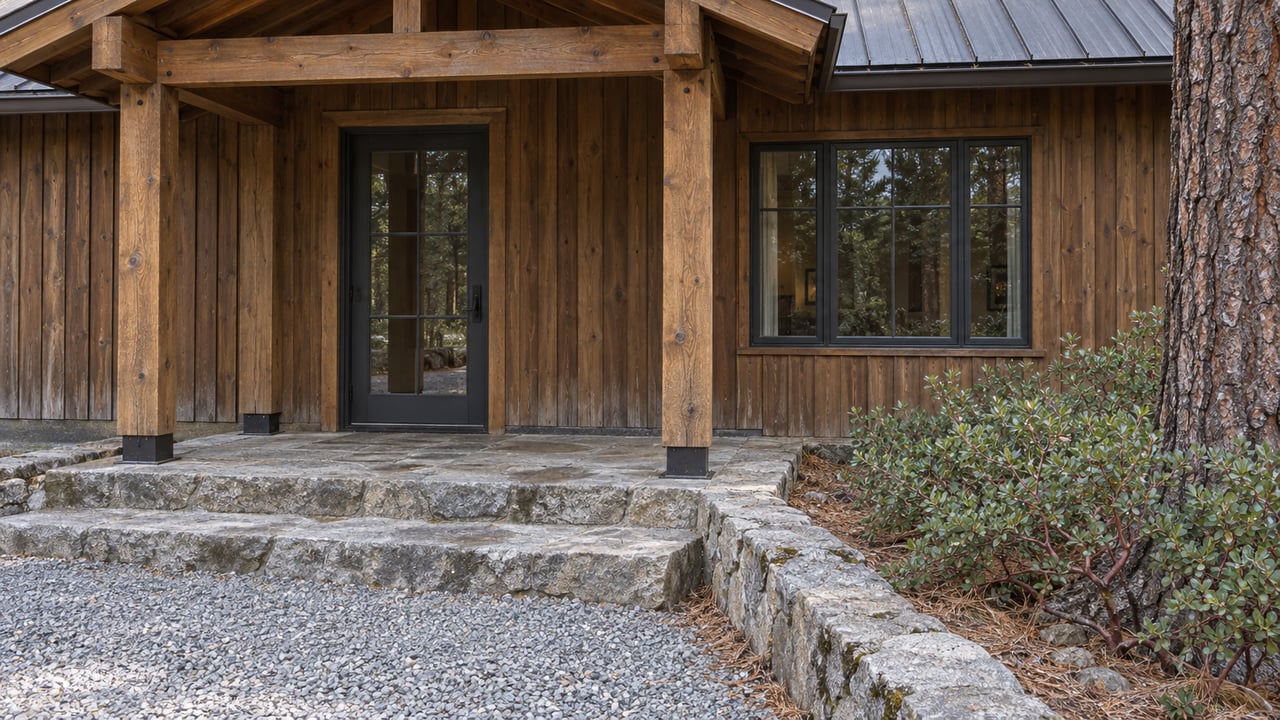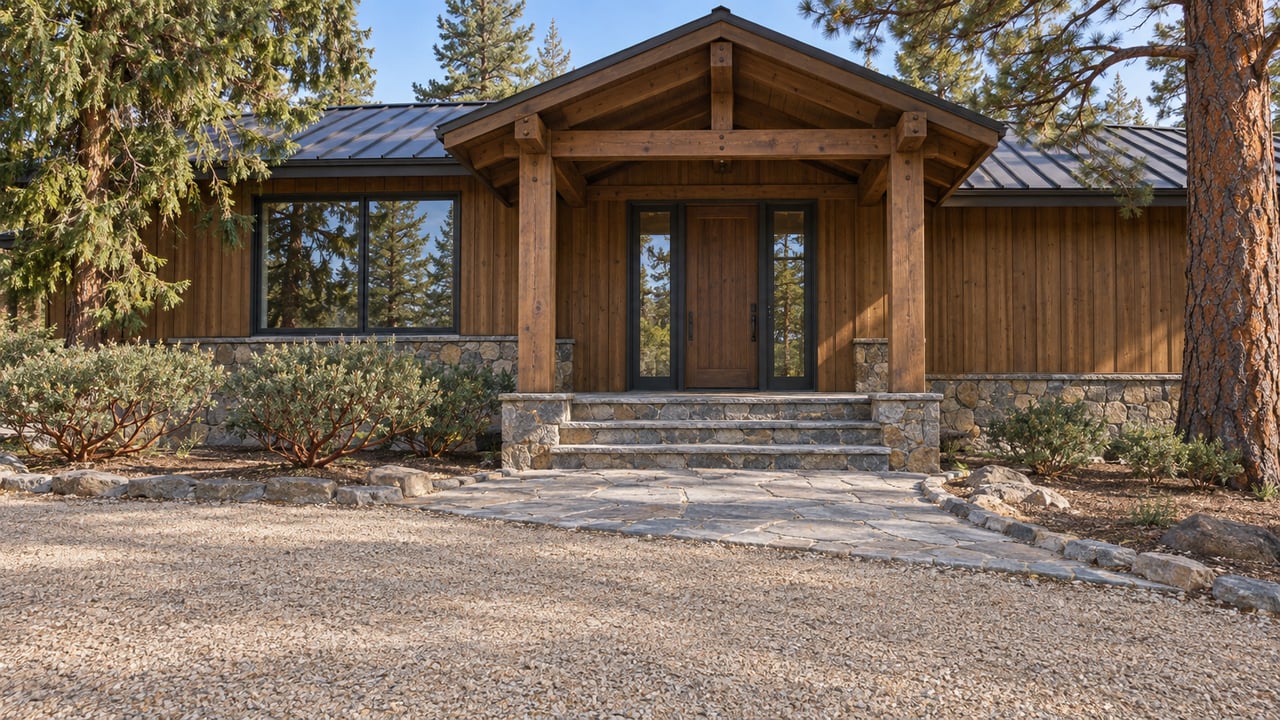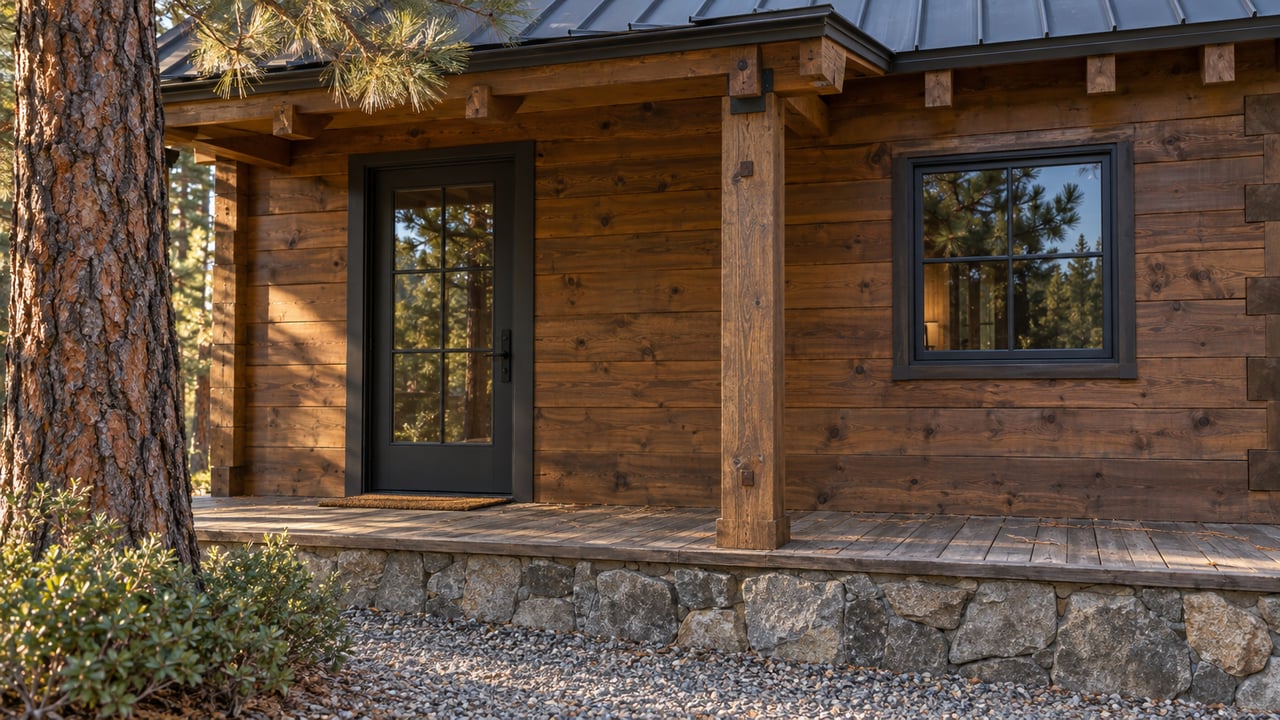
Ever dream of a cabin winter that feels peaceful and cozy, not stressful and unpredictable? In Mi Wuk Village, winter living can absolutely feel warm and inviting, but it works best when you understand the rhythm of mountain weather, road access, and simple cabin-ready systems. If you are thinking about buying a cabin here, this guide will help you picture what winter is really like and how to choose a property that fits the season well. Let’s dive in.
What Winter Feels Like in Mi Wuk Village
Mi Wuk Village sits above 4,000 feet in Tuolumne County, which means winter is a real mountain season. You should expect cold nights, intermittent snow, and weather that can change quickly depending on the storm cycle.
According to Tuolumne County Road Operations, Mi-Wuk falls within a higher-elevation snowplow zone. That does not mean constant deep snow all winter, but it does mean snow removal, plow activity, and winter road planning are part of everyday life.
The closest long-term NOAA normals comparison cited in the research is from lower-elevation Sonora, so it is not a direct snowfall average for Mi Wuk Village. Still, NOAA storm-event data shows that Tuolumne County mountain storms can bring snow levels near 4,000 feet, with much heavier snow at higher elevations.
For you as a buyer, the most realistic expectation is this: Mi Wuk winter is often beautiful and manageable, but it is not something to treat casually. Snow may come in bursts, roads can shift from clear to chain-control conditions quickly, and a cabin feels best when it is set up for those changes.
Road Access Matters More Than You Think
One of the biggest parts of cozy winter living is simply getting in and out without surprises. In mountain communities, comfort starts before you even unlock the front door.
Caltrans winter driving guidance notes that chain-control areas can change fast, and drivers must install chains when required. Speeds can also drop to 25 or 30 mph in chain-control areas, which changes how you plan weekend arrivals and grocery runs.
If you are considering a second home in Mi Wuk Village, flexible timing matters. Caltrans also reported that Sonora Pass on SR 108 reopened on May 16, 2024 after weeks of snow removal, with crews encountering snow as deep as 16 feet on the highway.
That scale may be farther up the route, but it shows how serious Sierra winter operations can be. For a cabin owner, winter access is less about one stormy day and more about planning ahead, checking conditions, and leaving margin in your schedule.
Winter Driving Habits to Expect
A Mi Wuk cabin owner should be ready for a few simple routines:
- Keep tire chains in your vehicle even when roads seem clear at departure.
- Check road conditions before you leave using official Caltrans tools like QuickMap or the Highway Information Network, as recommended in the winter driving tips.
- Arrive before dark when possible, since mountain travel often takes longer in winter.
- Expect plow berms across the driveway after snow removal passes.
- Avoid parking on pavement or shoulders during storms or snow operations, as noted by Tuolumne County.
The Best Cabins Are Ready for Real Use
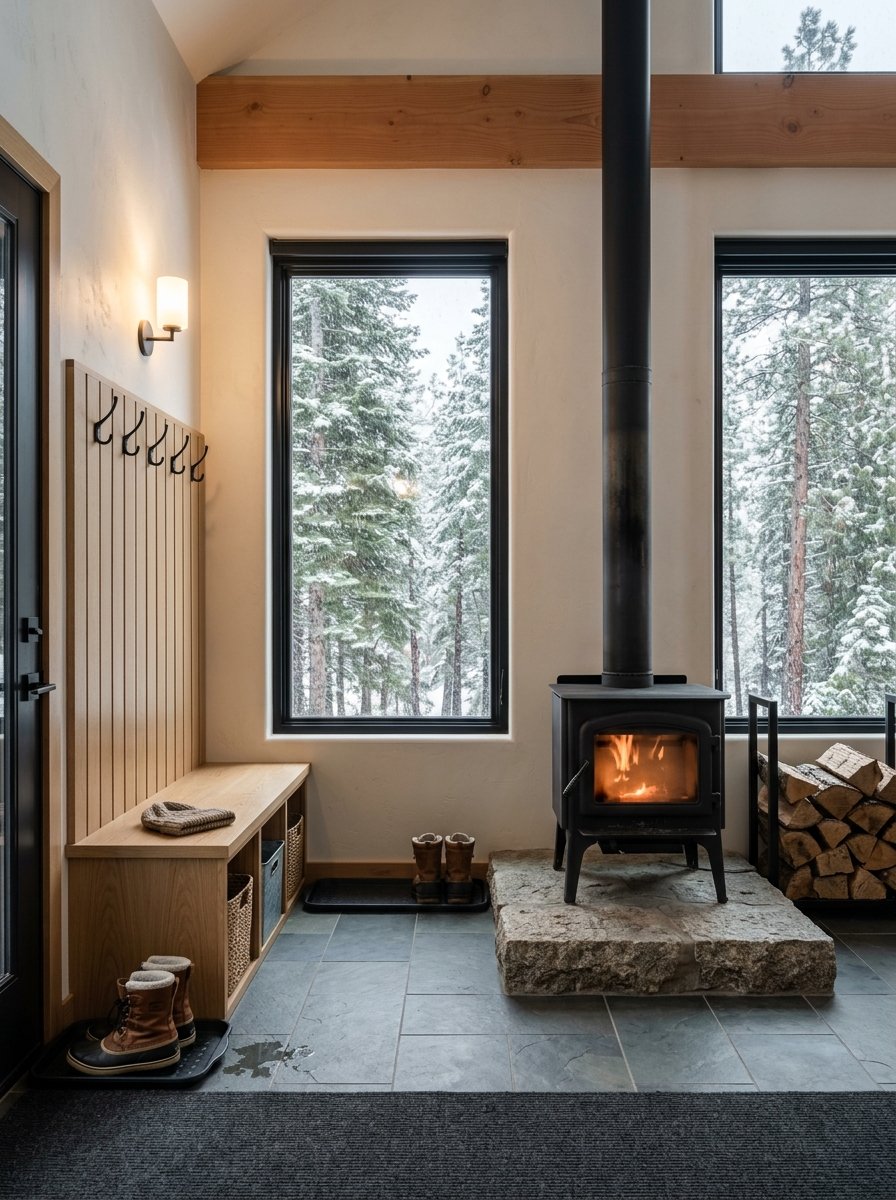
A cozy winter cabin is not just about a pretty fireplace photo. It is about whether the home functions smoothly when the weather turns cold, wet, and messy.
In practice, the most inviting cabins are the ones that make everyday winter habits easy. You come in, set down boots, dry gloves, warm the house, and settle in without feeling like every storm creates a new problem.
That is why practical layout features can matter just as much as charm. A simple landing zone near the entry can make a cabin feel much more finished during winter weekends.
Features That Support Cozy Winter Living
Based on the research, these features can make a real difference:
- A mudroom-style entry area with a bench, hooks, and boot storage
- A dedicated place to dry wet gear after snow or rain
- An outdoor wood rack that keeps firewood off the ground and protected from moisture
- Easy access to vents, walkways, and utility areas that may need clearing after storms
- Draft control around doors and windows
This kind of setup matches how mountain cabins are actually used. It helps your property feel calmer, cleaner, and easier to maintain through the season.
Wood Heat Can Be a Big Advantage
For many buyers, wood heat is part of the cabin experience. It adds warmth and character, but it also comes with maintenance and safety responsibilities.
The EPA recommends annual inspection of the appliance, chimney, and vent. The agency also advises burning only dry, seasoned wood and upgrading older pre-1990 wood-burning units when possible.
That matters because efficiency affects comfort and day-to-day work. According to the EPA, newer wood-burning appliances can be up to 50% more efficient and may use about one-third less wood for the same heat.
Smart Wood-Heat Routines
If you are evaluating a Mi Wuk cabin with a wood stove or fireplace, pay attention to these basics:
- Ask about the age and maintenance history of the stove or insert.
- Confirm whether the chimney and venting have been inspected regularly.
- Look for a dry, practical wood storage setup.
- Notice whether the layout safely separates the heat source from nearby flammable items.
The EPA also advises that if smoke enters the home, you should shut down the appliance, open a window, make sure the flue is open, and contact a professional chimney sweep or installer. That is the kind of routine that matters in a mountain property, especially if you are buying from out of the area and want fewer surprises.
Firewood Storage Is Part of the Experience
Cabin buyers often focus on looks first, but winter comfort can depend on something as basic as where the wood goes. A beautiful fireplace is less useful if the fuel is damp, buried, or awkward to access.
EPA Burn Wise guidance says to split wood, stack it off the ground, protect it from rain and snow, and season it for at least 6 months for softwood or 12 months for hardwood. You can review those recommendations through EPA Burn Wise energy efficiency guidance.
That means a simple wood rack can be more valuable than it sounds. In a well-set-up Mi Wuk cabin, dry wood storage supports both comfort and efficiency.
Small Upgrades Make Cabins Feel Warmer
Not every winter-ready feature has to be expensive. In many cabins, a handful of modest improvements can noticeably improve comfort.
The U.S. Department of Energy explains that weatherstripping is used for movable parts like doors and operable windows, while caulk is for stationary cracks and gaps. The same guidance notes that low-e storm windows can save 12% to 33% on heating and cooling costs depending on the existing window.
That kind of improvement matters in a mountain setting where drafty windows and doors can change how a cabin feels all weekend. Tight-fitting window coverings, closed curtains at night, and a well-insulated attic can also support winter comfort, according to the research.
Winter Comfort Checklist for Buyers
When you tour cabins, it helps to look beyond staging and ask practical questions. A quick checklist can keep you focused:
- Do doors and windows appear well sealed?
- Is there a simple place for boots, coats, and wet gear?
- Is firewood storage dry and accessible?
- Are heating systems and vents easy to inspect and maintain?
- Does the cabin seem set up for arrival after a storm, not just for sunny weekends?
These details are not flashy, but they often make the difference between a cabin that is merely charming and one that is genuinely easy to enjoy in winter.
Winter Safety Should Feel Routine
The safest cabins usually feel calm because the basics are already handled. You should not have to scramble every time a storm rolls through.
The EPA’s winter indoor air quality guidance recommends smoke and carbon monoxide alarms in sleeping areas and on every level, along with monthly testing and annual battery replacement. The research also notes that fuel-burning appliances can be potential carbon monoxide sources, which makes alarm placement especially important.
After winter storms, EPA advises clearing snow and ice from exterior furnace, stove, fireplace, radon, and dryer vents. That is a simple but important habit in mountain homes, where blocked vents can create bigger problems quickly.
Why Mi Wuk Cabins Feel So Appealing in Winter
The charm of Mi Wuk Village in winter is not about nonstop snow or dramatic alpine conditions every day. It is about the slower, grounded rhythm that comes with mountain living.
You check road conditions, arrive with a little daylight left, warm the house, move wet gear out of the way, and settle into a quieter pace. That is the version of winter living many second-home buyers are really looking for.
The key is buying with clear expectations. When a cabin is chosen and set up for mountain realities, winter in Mi Wuk can feel less like a hassle and more like the reason you wanted a cabin in the first place.
If you are exploring cabins in Mi Wuk Village or anywhere in Tuolumne County, Yana Vass can help you look beyond surface charm and evaluate how a property will actually live through the seasons.
FAQs
What is winter weather like in Mi Wuk Village cabins?
- Mi Wuk Village sits above 4,000 feet, so you should expect cold nights, intermittent snow, and changing storm conditions rather than constant deep snow all season.
What should buyers know about winter road access in Mi Wuk Village?
- You should expect snowplow activity, possible chain controls, slower travel times, and the need to check Caltrans road conditions before driving to or from the cabin.
What heating features matter most in a Mi Wuk winter cabin?
- A well-maintained wood stove or fireplace, regular chimney inspection, dry seasoned firewood, and safe venting and alarm systems are some of the most important winter-ready features.
What simple upgrades improve winter comfort in Mi Wuk cabins?
- Weatherstripping, caulking stationary gaps, insulating window coverings, better attic sealing, and a practical entry area for boots and wet gear can all improve winter livability.
What should second-home buyers look for in a Mi Wuk cabin entry setup?
- A bench, hooks, a boot tray, and space to dry gloves, coats, and snow gear can make winter arrivals much easier and help keep the rest of the cabin comfortable and organized.