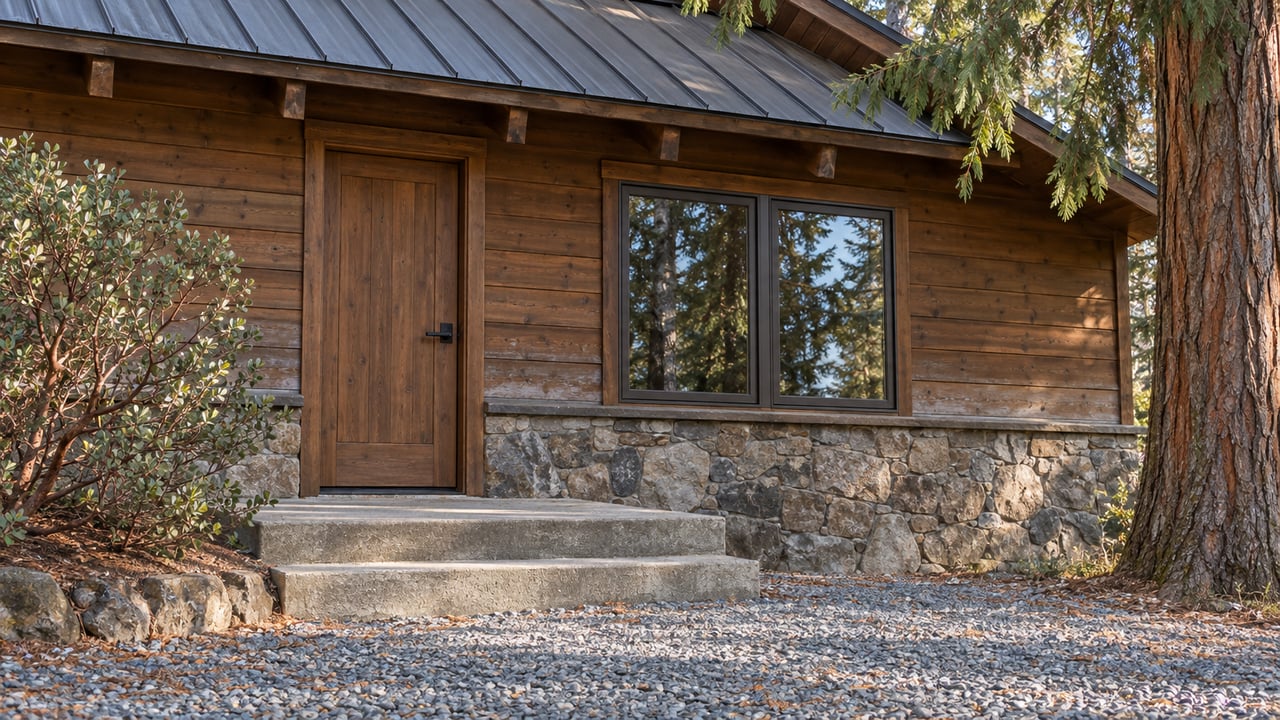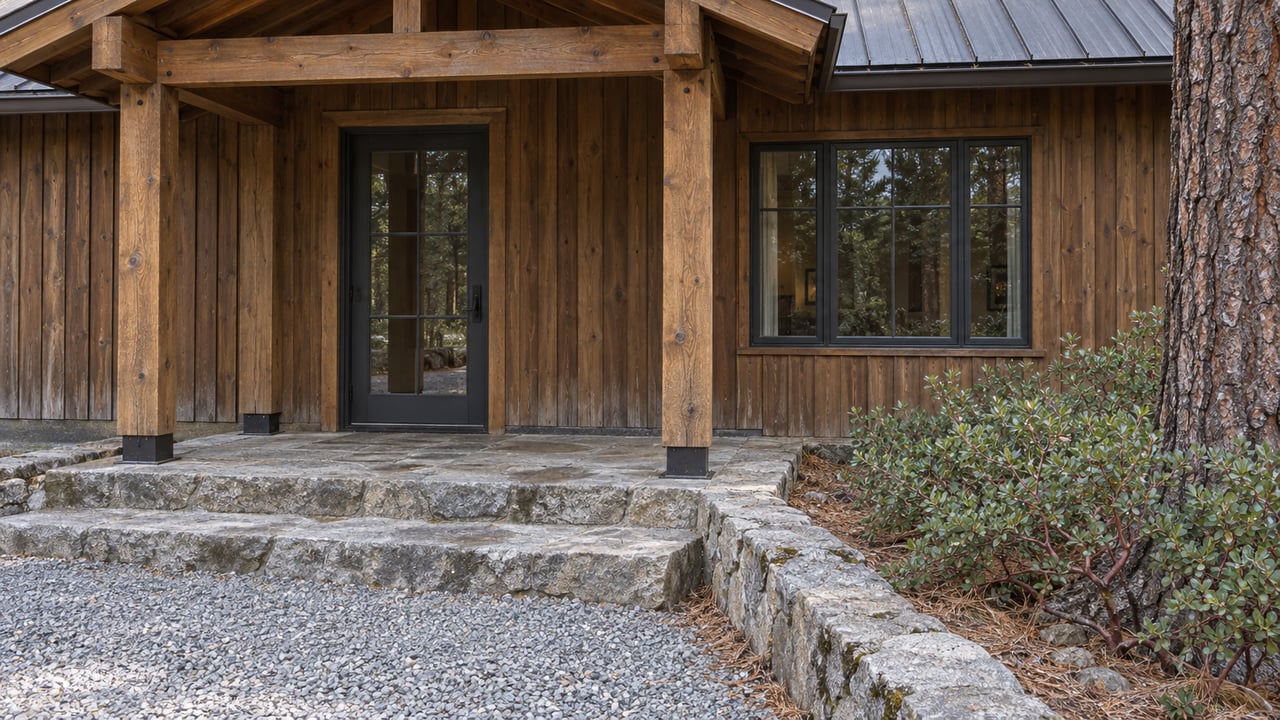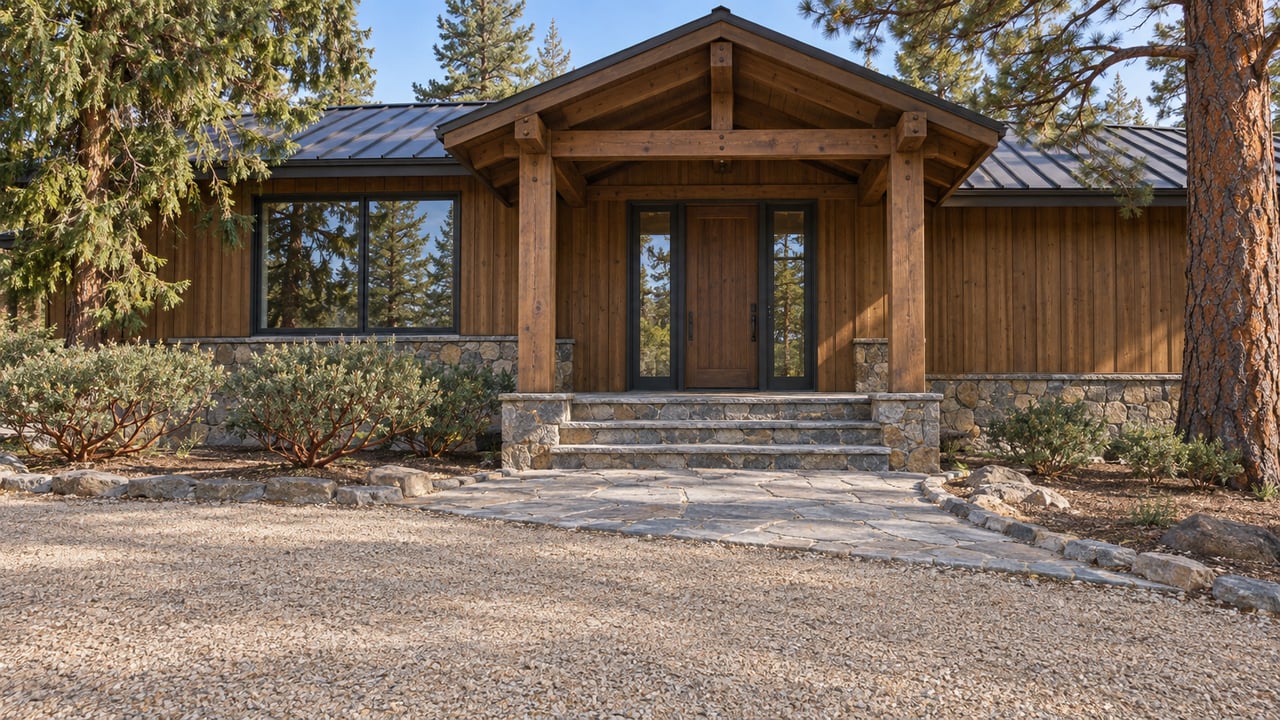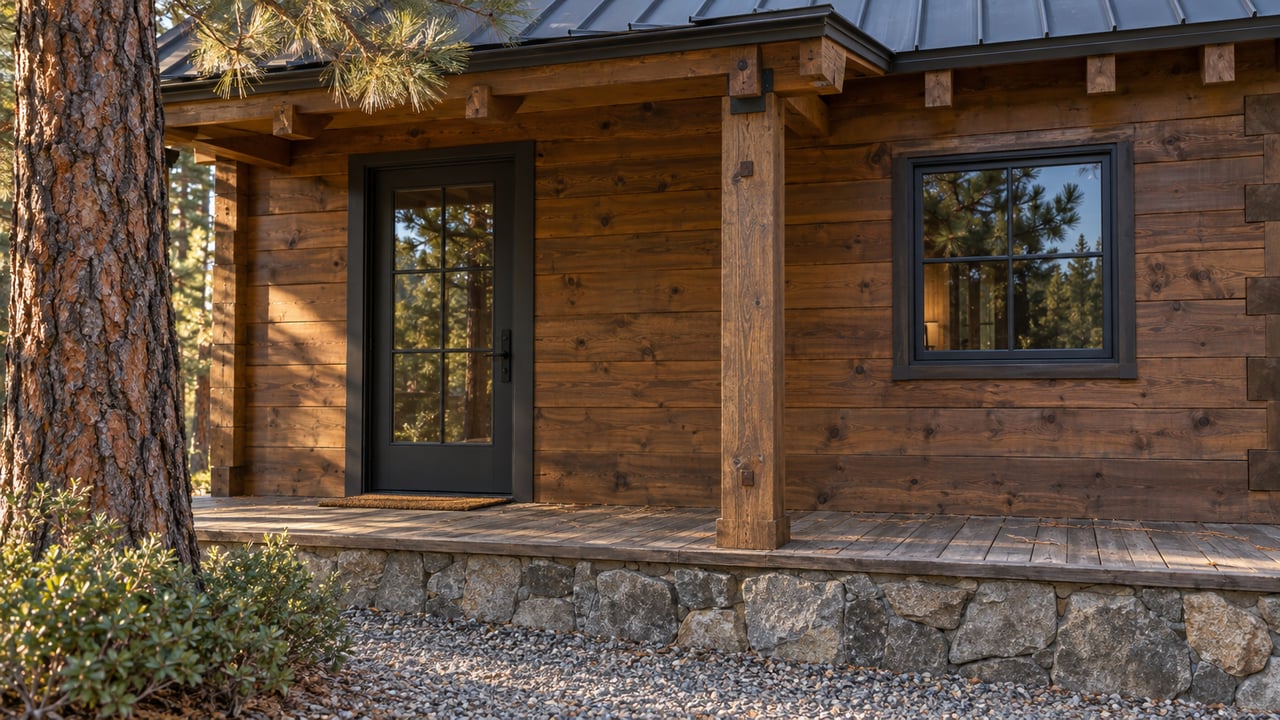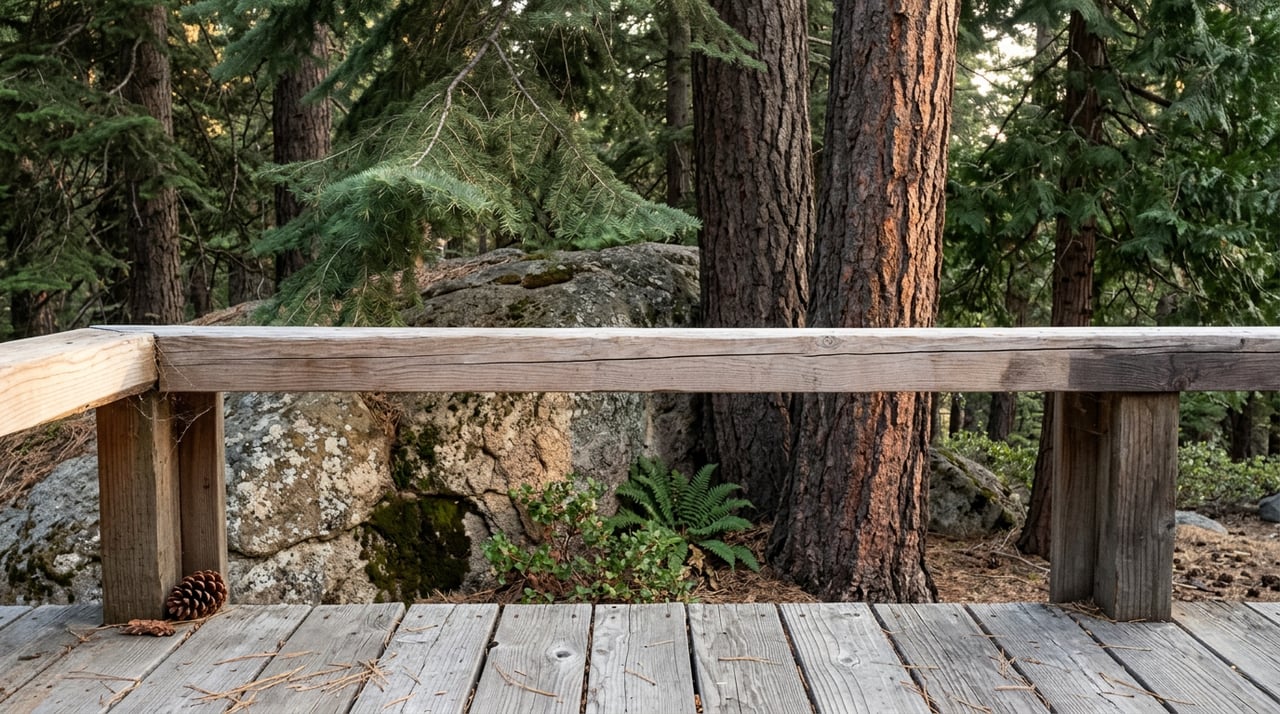
Pull up two Pinecrest listings side by side this week and you'll likely see something odd. One reads like every other mountain cabin ad in Tuolumne County: photos of a wraparound deck, mention of the marina and the amphitheater a short walk away, standard financing language. The other, for a comparable cabin a few lots over, opens with a line you don't see anywhere else in the county: seller financing available, described as a rare bonus, because most cabins here require cash.
That single sentence is the whole story. A large share of homes in the Pinecrest Basin are not sold the way a house in Twain Harte or Arnold is sold. The buyer isn't purchasing the ground under the cabin. They're purchasing the cabin itself and a federal permit that lets it sit there, and that distinction changes almost everything that happens between an accepted offer and a set of keys.
The word missing from most price sheets: permit, not deed
Pinecrest sits inside the Stanislaus National Forest, and many of its cabins were built under a program the Forest Service still administers today: the recreation residence program, authorized under the 1915 Occupancy Permits Act. Under this program, an owner holds title to the cabin and its improvements but not to the lot beneath it. The land stays federal. What you're buying is a reissuable special use permit, not a deed to real property in the way most buyers understand it.
This isn't a fringe arrangement in Pinecrest. It's the default for a meaningful portion of the cabins in the Basin, and it's been closed to new entrants for a long time. No new recreation residence lots have been created in this program in over 60 years, so every cabin you see for sale sits on a lot that already existed decades ago. That fixed supply is part of why Pinecrest cabins hold a certain scarcity value that a straight square-footage comparison to Arnold or Mi Wuk won't capture, but it also means every transaction has to work within a permit structure a normal home sale never touches.
Here's a side-by-side of what that structural difference actually means at the table:
| Typical fee-simple cabin (Twain Harte, Arnold) | Pinecrest recreation residence cabin | |
|---|---|---|
| What you own | Land and structure | Structure and improvements only |
| Land status | Private, deeded | Federal, permitted |
| Typical financing | Conventional mortgage available | Cash common; seller financing uncommon |
| Ownership transfer | Standard deed recording | Forest Service permit reissuance process |
| Rental use | Governed by county STR rules | Governed by permit terms for single-family, non-commercial use |
The other bill: what the annual fee actually tracks
Even once cash clears escrow, the ongoing cost structure looks different. Before 2014, according to the Forest Service, the annual land-use fee for a recreation residence permit was calculated as a straight 5 percent of the appraised value of the bare lot. The 2014 Cabin Fee Act replaced that formula with eleven fixed fee tiers, ranging from $650 to $5,650 in $500 increments, with each permit slotted into a tier based on the lot's appraised value.
What changes hands isn't just money
Selling or buying a recreation residence cabin means working through a federal reissuance process alongside the usual county paperwork. According to the National Forest Homeowners, the seller has to provide a copy of the existing term permit to the buyer up front, and a Forest Service form, FS-2700-3a, has to be completed to relinquish the old permit and issue a new one. On top of standard escrow costs, there's a transfer fee. Nationally, that fee has a base figure of $1,200, indexed to inflation each year under federal law governing the program. Anyone getting serious about an offer should confirm the number with the district's special use administrator.
For a buyer used to a normal California closing, that's an extra step with its own timeline. It's worth planning around before you're staring down a contingency deadline.
If you're weighing a Pinecrest purchase, the closing checklist looks a little different from anywhere else in the county:
- Request a copy of the seller's current Term Special Use Permit before you write an offer.
- Confirm with the district's special use administrator whether the FS-2700-3a reissuance process is already underway or will start at acceptance.
- Ask whether the current transfer fee has been quoted, and whether the buyer or seller is covering it in the purchase agreement.
- Verify the annual permit fee amount and when the lot was last appraised, since that number can shift independent of the sale price.
- Confirm the cabin has a current self-inspection report on file.
The rental question that trips up investors
For the investor evaluating a mountain cabin as a short-term rental, Pinecrest carries a restriction that Arnold and Twain Harte don't. Recreation residence permits are issued for single-family, non-commercial use. That's the program's own description of what the permit allows, and it's a different starting point than the county-level short-term rental permitting that governs cabins on private land elsewhere in Tuolumne County. Anyone pricing a Pinecrest cabin against projected nightly rental income needs to confirm what the specific permit allows before building a pro forma around it, rather than assuming the same playbook that works on a deeded lot in another part of the county.
Who's actually keeping the water on
One more detail that shows up in Pinecrest listings and rarely gets explained: some cabins note that water and sewer are included in permit fees. That's not a Forest Service benefit. It traces back to the Pinecrest Permittees Association, a member-run nonprofit utility incorporated in 1950 that provides water, sewer, garbage collection, road maintenance, snow removal, and fire and law enforcement support to the roughly 383 cabin permit holders in the Basin. Those services are funded through the association's own dues and assessments, which sit alongside, not inside, the federal land-use fee. A buyer comparing total carrying costs needs both numbers, not just the one that shows up on the Forest Service side of the ledger.
What this means if you're pricing Pinecrest against the rest of the county
None of this makes Pinecrest a bad buy. Plenty of families have owned cabins here for generations precisely because the fixed lot supply and the federal oversight keep the Basin from turning into a subdivision. But it does mean the price on a listing tells you less here than almost anywhere else in Tuolumne County. Two cabins at the same asking price can require completely different financing paths, completely different closing timelines, and completely different rules about what you're allowed to do with the property once you own it.
I've walked buyers through recreation residence transfers and fee-simple cabin sales on the same week, and the difference in what each closing actually requires is significant enough that it changes how I advise a client to structure an offer from the very first conversation. If you're comparing a Pinecrest cabin to something in Twain Harte or Arnold, that comparison needs to start with the ownership structure, not the square footage.
FAQ
Can I get any financing at all for a Pinecrest recreation residence cabin? Some buyers arrange seller financing, and it's occasionally called out in listings as a selling point precisely because it's uncommon.
Is every Pinecrest cabin on a recreation residence permit? No. Pinecrest includes both permitted recreation residence cabins and privately held parcels. The ownership structure needs to be confirmed for each specific property rather than assumed from the neighborhood name alone.
If you're weighing a Pinecrest purchase or trying to figure out what a specific cabin's ownership structure means for your financing and your plans, Vass Haus RE can walk through the permit, the fee history, and the transfer process before you write an offer. Schedule a free home valuation and consultation to get the full picture on any cabin you're considering.
This article is general information, not legal, tax or financial advice. Consult a qualified professional about your situation.