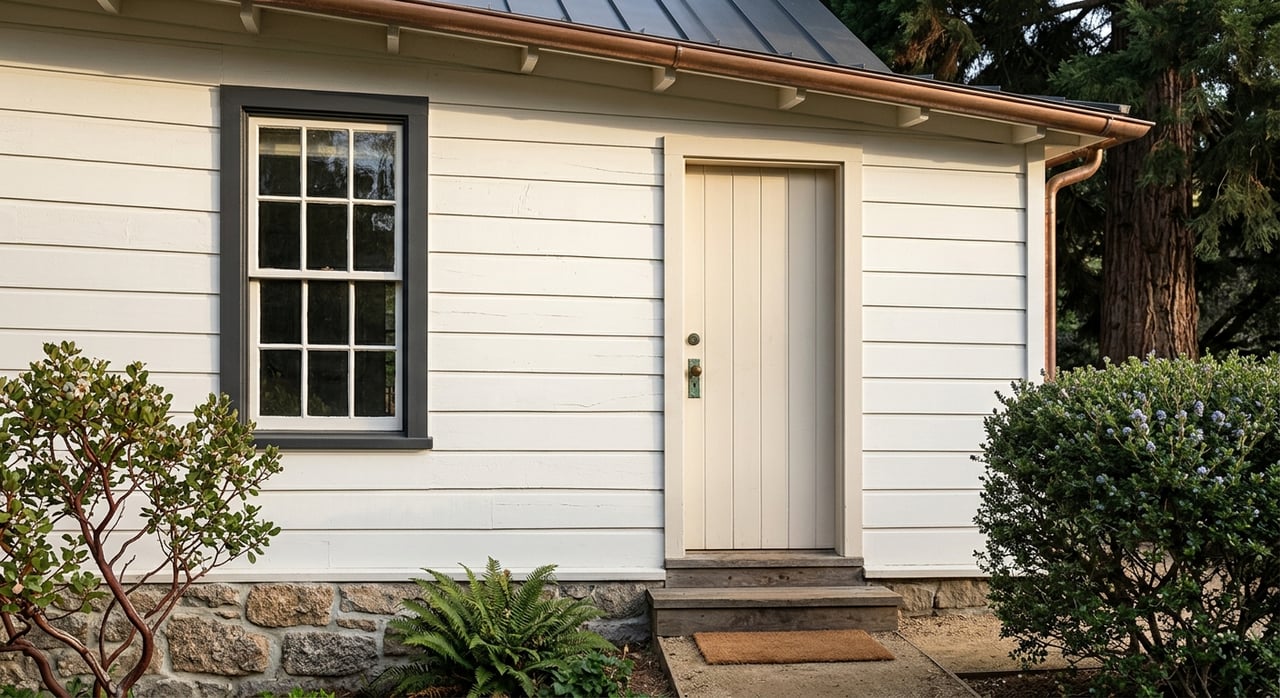
Selling a historic home in Columbia or Jamestown is not the same as selling a newer foothill house. Buyers notice charm right away, but they also notice deferred maintenance, unclear permits, and wildfire risk just as fast. If you want a smoother sale and stronger buyer confidence, the key is to prepare the property in a way that respects its age, character, and local review standards. Let’s dive in.
Why historic homes need a different plan
Columbia and Jamestown have a distinct historic setting that shapes buyer expectations. Columbia is recognized as a preserved Gold Rush town and historic district, and Jamestown’s Main Street and Railtown area reflect an important historic core in Tuolumne County. That means your home is being judged on more than bedrooms, baths, and price per square foot.
In both communities, exterior changes and discretionary projects may be reviewed for consistency with local design guidance because Columbia and Jamestown are Design Review Districts. For you as a seller, this matters because the home’s visual character is part of what buyers are paying for. A rushed update that feels out of place can work against your value instead of helping it.
Fix problems before cosmetics
When you are getting ready to list, start with issues that could raise red flags during inspections. In older homes, that usually means leaks, drainage problems, roof wear, settlement, and visible mechanical or system concerns. Since California’s transfer disclosure is a condition disclosure rather than a warranty, it is wise to stabilize known issues and keep records of any repairs.
Cosmetic upgrades can still help, but they should come after the house feels sound and cared for. A fresh room does not calm buyer nerves if the roof, foundation, or drainage looks uncertain. In many cases, buyers feel better about a well-documented repair than a quick visual refresh.
Prioritize these items first
- Roof leaks or visible roof wear
- Drainage problems near the house
- Signs of settlement or structural movement
- Plumbing, electrical, or HVAC issues that are obvious
- Moisture damage in walls, ceilings, or subareas
- Safety concerns that may come up in inspections
Check permits before major work
Before you replace major exterior elements, start structural work, or tackle an addition, check the permit history. Tuolumne County’s Building Division handles permits and inspections in the unincorporated area, and current building code applies. For older homes, a clear paper trail often reduces buyer hesitation more than extra cosmetic spending.
This is also the time to confirm that any contractor you hire holds a current California state license. If a buyer sees that major work was done carefully and documented properly, the home feels less risky. That can lead to cleaner negotiations once you are in contract.
Repairs that deserve an early permit check
- Structural repairs
- Additions or enclosed spaces
- Roof replacements with major changes
- Window or door replacements that alter openings or style
- Exterior siding replacement
- Porch, stair, or deck reconstruction
Pull septic records early
If your property uses an onsite wastewater system, do not wait until escrow to look into it. Tuolumne County Environmental Health oversees onsite wastewater systems, and older tanks and drainfields can be hard to locate because they may not have visible parts. In some cases, a septic pumper, contractor, or consultant may be needed to find components.
This matters because failing or undersized systems can affect value and create liability. For a seller, the septic file should be part of your pre-listing package. It is much better to answer buyer questions early than to scramble after inspections begin.
Make wildfire readiness part of sale prep
In Columbia and Jamestown, wildfire preparation is not optional background work. CAL FIRE guidance focuses on removing debris from roofs, gutters, decks, porches, stairs, and the area under the home, while also reducing combustible material near the structure. These steps help the property show better and support your disclosure file.
California law also requires wildfire-related disclosure in mapped hazard areas. If your home is in a high or very high fire hazard severity zone, defensible-space documentation may be required at the time of sale. That means cleanup, home hardening, and documentation are transaction issues, not just maintenance tasks.
Simple wildfire prep steps
- Clear leaves and debris from roofs and gutters
- Remove combustible clutter from porches and decks
- Clean out the space under the home if accessible
- Reduce flammable vegetation close to the structure
- Keep records of defensible-space work completed
Protect the character buyers want
Historic homes often sell because of the details newer homes cannot replicate. Original trim, masonry, porch elements, shutters, built-ins, fireplaces, and traditional materials all help tell the story of the property. Your goal is to reveal those features, not cover them up.
Local design guidance in Columbia and Jamestown generally favors repair and compatible replacement over stripping away historic character. Columbia’s guidance points toward traditional materials like brick, wood siding, and stone, along with traditional wood sash or wood-look windows, traditional doors, porches, and compatible finishes. Jamestown’s guidance also encourages traditional materials, historically compatible palettes, small-pane windows, shutters, and doors that match the building’s character.
That does not mean you cannot improve efficiency or function. Columbia’s guidance notes that modern energy-efficient windows may be acceptable when they fit the building’s style. The important point is that changes should support the home’s look rather than compete with it.
Use restrained exterior updates
If you are painting or touching up the exterior, keep the palette calm and appropriate to the house. Columbia’s guidance directs residences toward shades of white, gray, red oxide, and subtle yellows. Jamestown’s guidance emphasizes colors tied to historic palettes and discourages strong contrast or visually chaotic combinations.
For most sellers, that means simple, restrained choices work best. Neutral historic-leaning colors, tidy finishes, and less visual clutter help the architecture stay front and center. Buyers should notice the home itself, not a distracting update.
Think twice before removing old outbuildings
That leaning shed or worn garage may look like an easy pre-listing cleanup project, but be careful. In Tuolumne County, demolition permits for structures that are 50 years old or older are reviewed by the Historic Preservation Review Commission Demolition Review Committee. If you are considering removing an older accessory structure, check that path first.
This is especially important because buyers of historic properties often expect the setting to feel intact. Even a modest outbuilding can contribute to the property’s historic story. It is better to verify your options before making a change that could create delays.
Build your disclosure package early
A smooth sale usually starts with organized due diligence. California’s Real Estate Transfer Disclosure Statement is the standard condition-disclosure form, and for older homes it is especially important to be clear, complete, and timely. Buyers tend to respond better when the information is presented upfront instead of uncovered piece by piece.
For homes built before 1978, federal law requires disclosure of known lead-based paint information, delivery of any available records, a lead warning statement, and a 10-day opportunity for the buyer to test for lead. In this region, natural hazard disclosure also matters because California Civil Code section 1103 requires disclosure if a parcel is in certain mapped hazard areas, including flood, inundation, very high fire hazard severity, earthquake fault, seismic hazard, and wildland fire zones.
Gather these documents before listing
- Transfer disclosure information on the home’s condition
- Permit history for major improvements if available
- Septic records if the property uses onsite wastewater
- Hazard disclosure information for the parcel
- Defensible-space documentation if required
- Lead-based paint records and disclosures for pre-1978 homes
- Invoices or receipts for recent repairs
Where a construction-savvy consult helps most
The best time to get expert guidance is before you order repairs or sign contractor bids. At that point, you can sort work into three useful categories: repairs you should make now, issues you may credit for, and items that should simply be disclosed. That helps you avoid over-improving the property or putting money into changes that will not improve your sale outcome.
This kind of planning is especially valuable for estate sales, long-held homes with incomplete permit history, properties on septic, and homes where you need to balance historic character with wildfire readiness. The goal is not to make the house look brand new. The goal is to make it feel safe, honest, well-prepared, and easy for a buyer to understand.
If you are preparing a historic Columbia or Jamestown home for sale, a thoughtful plan can protect character, reduce surprises, and strengthen your position before you hit the market. If you want practical guidance on what to fix, what to leave, and how to present your home with confidence, connect with Yana Vass.
FAQs
What should you fix first before selling a historic home in Columbia or Jamestown?
- Start with active problems like leaks, drainage issues, roof wear, settlement, septic concerns, and visible system defects before spending on cosmetic updates.
Why does permit history matter when selling a historic Tuolumne County home?
- Permit history can reduce buyer concerns about older repairs or additions and helps confirm that major work was handled through the county’s review and inspection process.
Do septic records matter when listing a home in Columbia or Jamestown?
- Yes. If your property uses onsite wastewater, septic records are an important pre-listing document because older systems can be hard to locate and system issues can affect value and liability.
How does wildfire disclosure affect a home sale in Columbia or Jamestown?
- If your parcel is in a mapped hazard area, wildfire-related disclosures apply, and homes in high or very high fire hazard severity zones may also need defensible-space documentation at sale.
Should you remove an old shed or garage before listing a historic property?
- Not before checking county requirements. In Tuolumne County, demolition permits for structures that are 50 years old or older go through historic preservation review.
What exterior updates fit historic homes in Columbia and Jamestown?
- Compatible repairs and restrained updates usually work best, including traditional materials, historically appropriate colors, and improvements that preserve the home’s original visual character.
When should you talk to an agent about pre-listing repairs for a historic home?
- Ideally before hiring contractors, so you can decide which repairs to complete, which issues to credit for, and which conditions to disclose clearly.