If you are drawn to Gold Country charm but still need a place that works for real life, Columbia and Jamestown offer a rare balance. These are not just places to visit for an afternoon. They are lived-in historic communities where people handle daily routines, enjoy small-town main streets, and stay close to outdoor recreation and nearby services. If you are thinking about buying, selling, or simply getting to know this part of Tuolumne County, this guide will help you understand what everyday living here really looks like. Let’s dive in.
What daily life feels like
Living in Columbia or Jamestown means history is part of your normal backdrop. In Columbia, the county community plan describes the town as a state- and nationally significant historic resource with the largest single collection of surviving Gold Rush-era structures. It also remains a functioning community with permanent residents and active school, college, and airport uses.
Jamestown has a similar heritage-first feel, but in a slightly different way. County planning documents aim to preserve its rural small-town atmosphere and historic Gold Rush character while allowing development that fits the setting. The result is a town that feels historic without feeling frozen in time.
Both communities sit close to Sonora, which matters for everyday convenience. Columbia is about three miles north of Sonora, and Jamestown is about three miles south. That means many larger errands and broader services are typically handled in Sonora, while the historic town centers stay smaller in scale.
Columbia living at a glance
Columbia feels immersive because so much of daily life happens within a state historic park setting. The town is known for its preserved streetscape, historic buildings, and visitor activity, with more than 500,000 annual visitors noted in the county plan. Even so, it remains a real community where residents live and move through everyday routines.
Most merchants in Columbia generally keep hours around 10 a.m. to 5 p.m. The core includes coffee, dining, sweets, stagecoach rides, a theater, a blacksmith shop, and a one-mile nature trail. That creates a walkable, active center during the day, while nearby residential areas tend to feel much quieter.
One important detail for buyers is that Columbia does not have large-scale commercial centers within its boundaries. That can be part of the appeal if you want a slower rhythm and a strong sense of place. It also means you should expect to leave town for many broader shopping and service needs.
Jamestown living at a glance
Jamestown reads more like a small mixed-use town with a historic Main Street at its center. County documents note that residents use Main Street for ordinary day-to-day errands, including quick grocery runs and dinner stops. That gives Jamestown a practical, lived-in feel that many buyers appreciate.
The historic core includes buildings from the 1870s and 1880s that now house inns, restaurants, shops, a brewery, and a wine tasting room. Jamestown’s planning documents also describe it as a place that evolved into a weekend getaway and vacation spot. So you may notice a visitor-friendly energy in the commercial core, with quieter residential streets surrounding it.
Compared with Columbia, Jamestown can feel a bit more mixed in use. Planning documents describe a blend of single-family and multiple-family residences alongside commercial and industrial uses. For some buyers, that mix supports convenience and character in one place.
Main streets shape the lifestyle
In both Columbia and Jamestown, the main street experience is central to daily life. These are places where the commercial heart is not built around big-box retail or suburban shopping centers. Instead, daily routines often connect to historic storefronts, locally scaled dining, and a slower pace.
That changes how a normal day can feel. You might grab coffee in a historic building, meet friends for a casual meal in a long-standing local spot, or take a short walk through a preserved downtown before heading home. The setting adds personality to errands that might feel routine elsewhere.
At the same time, it helps to go in with clear expectations. If your ideal location depends on large retail options, late-night services, or a wide range of chain businesses nearby, these towns may feel limited. If you value atmosphere, walkability in the historic core, and local character, that tradeoff may feel well worth it.
Dining and casual gathering spots
Dining in Columbia and Jamestown is part of the local experience, but it stays small-scale and place-specific. In Columbia, options include Brown’s Coffee House and Sweets Saloon for coffee, sandwiches, baked goods, and ice cream. Columbia City Hotel Restaurant and What Cheer Saloon offers sit-down American cuisine, while Fallon House Ice Cream Parlor adds a classic dessert stop.
In Jamestown, The Willow Saloon reflects the town’s Gold Rush-era identity. CC Taqueria serves meals from breakfast through dinner, and TWLV Kitchen and Bar at Chicken Ranch Casino Resort offers a more contemporary option. Together, these choices show that dining here is tied to local venues and historic settings rather than suburban-style commercial strips.
For everyday living, that means your regular spots may feel more personal and more memorable. It also means the number of options is naturally smaller than what you would find in a larger city. Many residents enjoy that tradeoff because it supports the towns’ distinct identity.
Outdoor access is built in
One reason buyers are drawn to this part of Tuolumne County is the close connection to recreation. Visitor facts for the county place Columbia and Jamestown within a wider region shaped by the Stanislaus National Forest and Yosemite National Park. The broader area offers access to hiking, boating, horseback riding, rafting, fishing, camping, snow activities, and more.
Closer to town, Columbia State Historic Park includes a one-mile nature trail and a highly walkable historic core. Railtown 1897 adds hiking trails, picnic areas, and interpretive exhibits. The park remains open, although train excursions are temporarily paused according to the state parks page.
For many homeowners, this outdoor access is not just a weekend bonus. It becomes part of the rhythm of daily life, especially for second-home buyers, retirees, and anyone looking for a foothill lifestyle with room to slow down.
What buyers should expect from homes
Housing in both towns is shaped by preservation goals. Columbia’s design guidelines encourage Gold Rush architectural styling from roughly 1850 to 1900 and focus on preserving historic, visual, and cultural resources. Jamestown’s design guidelines similarly aim to conserve the town’s historic ambiance and keep new development compatible with its existing character.
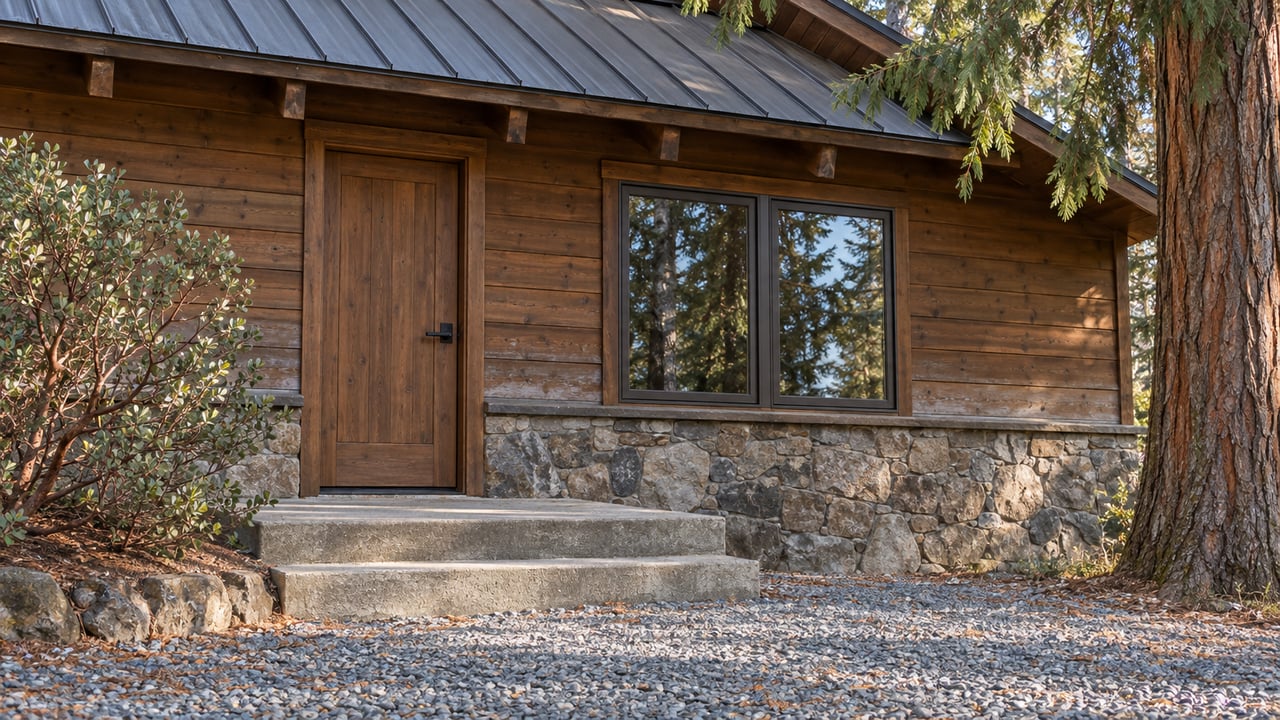
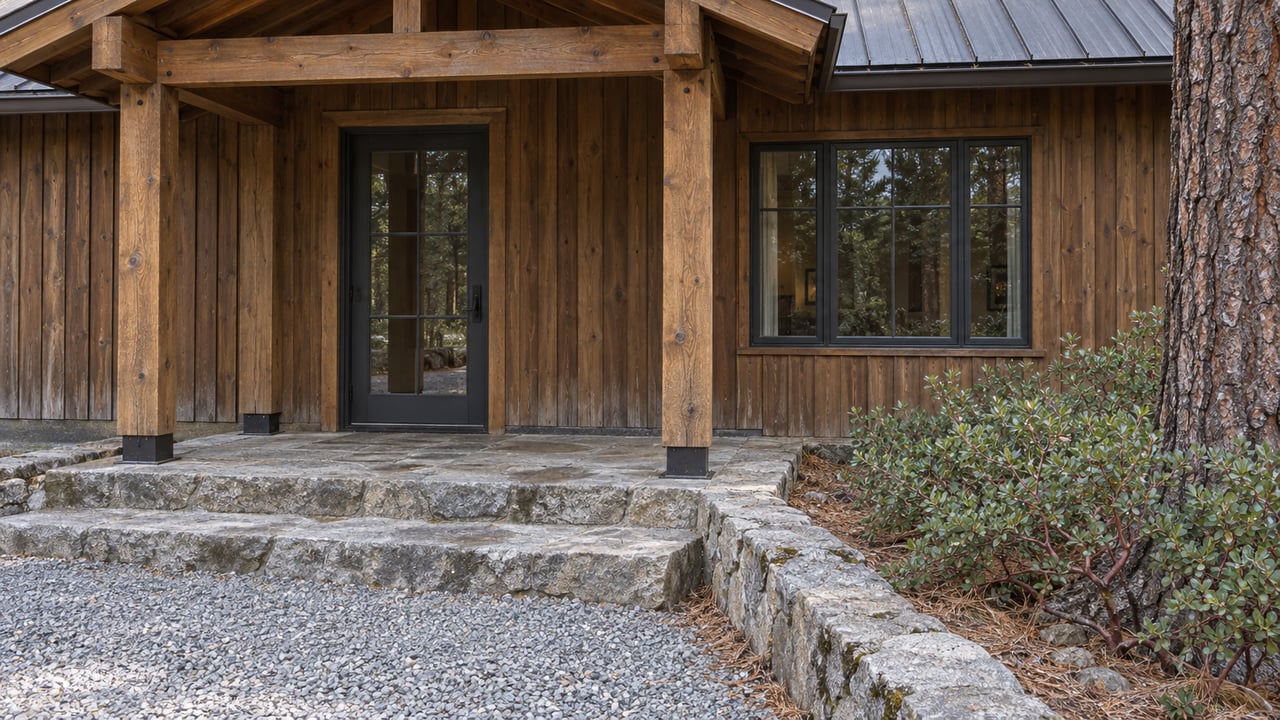
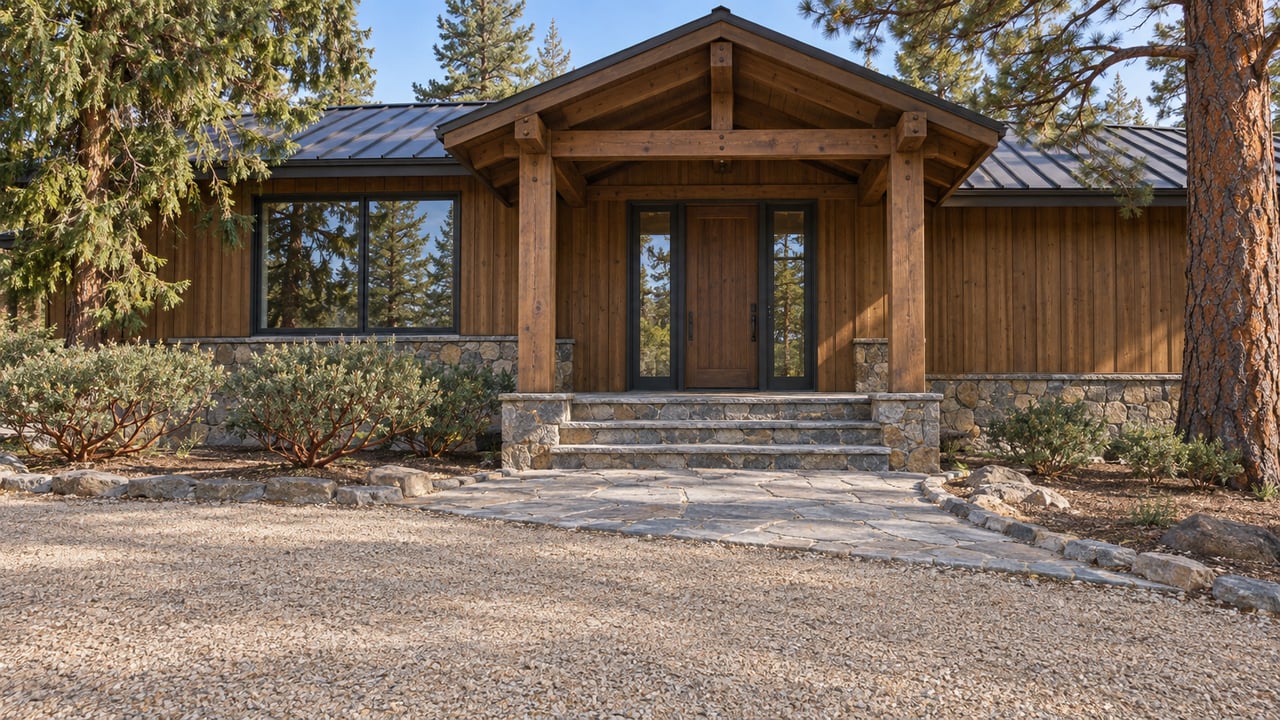
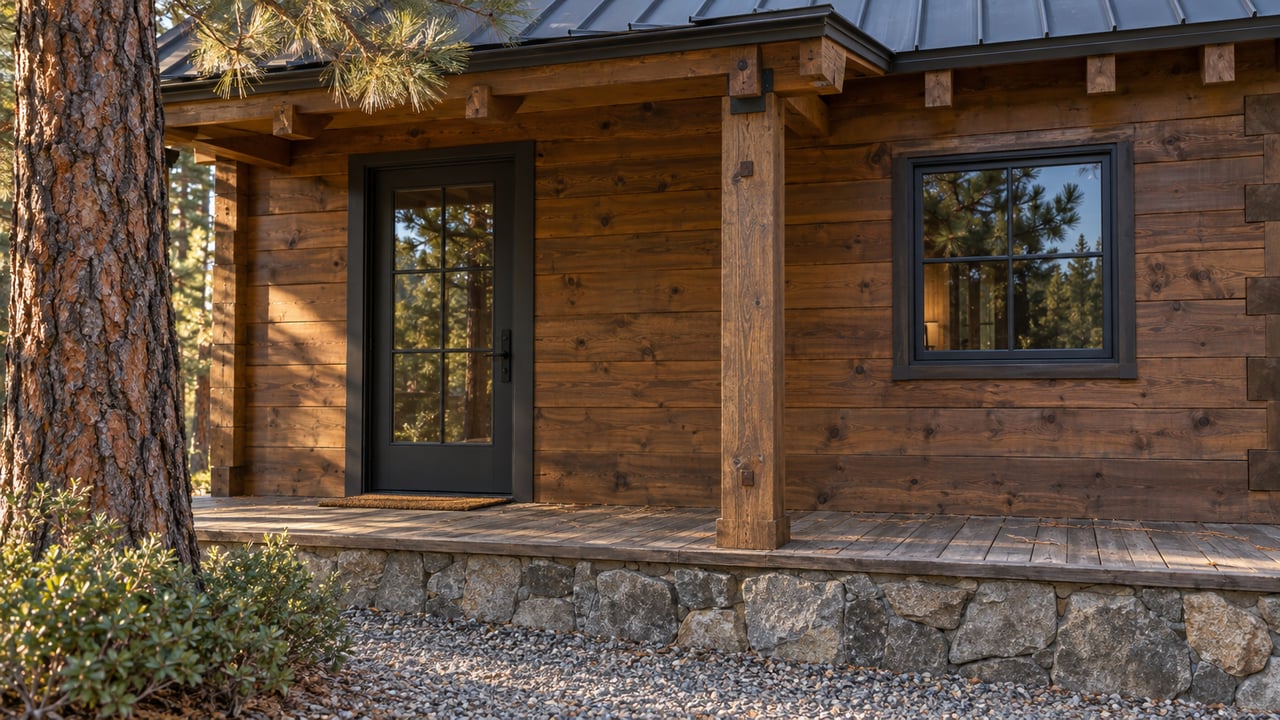
In practical terms, that often means you are more likely to see older homes, renovated historic properties, and homes with strong period influence rather than conventional tract housing. Exterior changes and new construction may also be more closely tied to compatibility standards than in a newer subdivision. That can affect everything from renovation plans to curb appeal expectations.
If you are buying, it is wise to look beyond charm alone. Older properties can offer wonderful character, but they may also call for thoughtful evaluation of condition, updates, and long-term maintenance. This is where local, construction-aware guidance can make a real difference.
Why these towns appeal to different buyers
Columbia often attracts people who want a deeply immersive historic setting. Its state-park environment, preserved streetscape, and small-scale commercial core create a lifestyle that feels unique within the Sierra foothills. Buyers who value atmosphere and walkable charm often connect strongly with Columbia.
Jamestown may appeal to buyers who want Gold Country character with a slightly more mixed-use, day-to-day practical feel. The Main Street core supports regular errands and dining, and the town’s layout can feel a bit more flexible for people who want history without quite the same level of museum-like immersion.
For second-home buyers and vacation-rental-minded owners, both towns can be appealing because they offer heritage, recreation access, and a memorable setting. For sellers, that same lifestyle story can be a strong part of how a home is positioned in the market.
The tradeoffs to think through
Every location comes with tradeoffs, and that is especially true in historic communities. In Columbia and Jamestown, the biggest advantages are character, identity, and access to foothill recreation. The biggest adjustments are usually tied to limited large-scale retail and the realities of owning in a preservation-minded setting.
That does not make one town better than the other. It simply means your best fit depends on how you want to live. If you understand the daily rhythm, the housing stock, and the local setting, you can make a decision with much more confidence.
Why local guidance matters here
Historic foothill towns are not always straightforward markets. Home style, location, condition, and compatibility with the surrounding setting can all shape value in ways that differ from newer suburban neighborhoods. Buyers and sellers often benefit from advice that goes beyond a basic search or pricing estimate.
That is especially true if you are comparing a historic home, a second home, or a property with vacation-rental potential. Having support that includes local market knowledge, practical property insight, and thoughtful presentation can help you avoid surprises and make smarter decisions.
If you are exploring Columbia or Jamestown and want advice grounded in Tuolumne County experience, Yana Vass offers boutique, hands-on guidance for buyers, sellers, and owners who want a clear plan and responsive support.
FAQs
What is everyday living like in Columbia, California?
- Everyday living in Columbia blends a preserved Gold Rush setting with real residential life, a walkable historic core, small-scale dining and shops, and quick access to Sonora for broader errands and services.
What is everyday living like in Jamestown, California?
- Everyday living in Jamestown centers around a historic Main Street that residents use for practical errands, dining, and local businesses, with a small-town feel and easy access to nearby Sonora.
Are Columbia and Jamestown close to Sonora?
- Yes. Columbia is about three miles north of Sonora, and Jamestown is about three miles south, which makes Sonora the closest hub for many larger shopping and service needs.
What types of homes can you expect in Columbia and Jamestown?
- Buyers should expect a preservation-minded housing mix with older homes, renovated historic properties, and architecture shaped by compatibility with each town’s historic character.
Do Columbia and Jamestown have outdoor recreation nearby?
- Yes. Both towns are part of a wider recreation region connected to the Stanislaus National Forest and Yosemite area, with access to hiking, boating, fishing, camping, and seasonal outdoor activities.
Is Columbia or Jamestown better for a second home in Tuolumne County?
- The better fit depends on your goals. Columbia offers a more immersive historic setting, while Jamestown offers a small-town, mixed-use feel with practical Main Street access for day-to-day living.